a spontaneous piece that popped out of my head at this moment. Calling this “swayed in“
“Spontaneous Painting is painting intuitively without having an image or model to paint from, where the result comes from a spontaneous play with the paint, the colors, and texture. Most importantly, each brush or finger stroke comes from a direct response to an inner directive, not from an aesthetic standard.” [ source ]
The border of a mind studios is passionately excited in adopting it fervently on digital art frames. Exuberant vibe fuels the day amigos. Peace! God bless.
Before I start, let’s see this beautiful video “Nature by Numbers” by Cristóbal Vila. I first saw this almost 9 years back and it helped discover a lot of amazing knowledge treasures which I didn’t know before. This number is used by architects and designers extensively, but what we are discussing here is something else. It’s about realizing and pondering on how the entire universe is crafted specifically in a specific metric. Have a look at the video and I shall elaborate further with detailed illustrations. I was pretty pumped up when I first came to know about this and would like to take this write up as an opportunity to share this information with you. Probably this would be the first write up for which I spent the longest time preparing content and illustrations for the only reason that I’m super excited to share this all of you. Now, let’s read.
This piece would be an addition to the Ponder Series that we have been writing extensively over the past several months. When we think about the world around us and also when we look within, it might seem usual and ordinary. But ponder series, as you might know, is all about thinking deeply and delving into the details by going beyond the ordinary perceptions. “Golden Ratio” is such a concept that’ll blow our minds off. I first read about this interesting ratio pervading the universe when I was in college. I shall elucidate it here, preferably with some visual illustrations. If you have not heard about this before, I’m sure this will definitely throw you into some wonder. Read it very carefully. It’s exciting information!
Many of us would be familiar with the Fibonacci series of numbers which were discovered by the Italian mathematician Leonardo Fibonacci in 1202 B.C.
It’s a series as below:
0, 1, 1, 2, 3, 5, 8, 13, 21, 34, 55, 89, 144, 233, 377, 610, 987, 1597, 2584, …
In this series, if you add two numbers in the series, you’ll get the next number in the series. For example, 0+1=1, the third number in the series. And 1+1=2, the fourth number in the series, 1+2=3, the fifth number in the series and so on.
We might have seen this series in our maths classes and wondered what is special about them. They have an amazing property. If we divide any number in this sequence by the number before it, we would get numbers very close to each other. After the 13th number in this series, the ratio is constant and we get 1.618. This is called “Golden Ratio”
Now, this golden ratio number of 1.618 is pervading everywhere. If you didn’t know this before, get prepared to be blown away.
Human Body
Did we ever think that our body measurements were just random? Boy! we are wrong! The proportions and geometrical ratios are carefully crafted in this specific ratio. For a better visual perspective, I’m sharing a few illustrations below so that you can take a look! These values are universally true for every human body. Isn’t that a jaw-dropping realization if you didn’t know this before?
Now, that’s far from over. Let’s go a little deeper. The same ratio is true for the below: – Length of face/width of the face, – Distance between the lips and where the eyebrows meet / length of the nose, – Length of face/distance between the tip of the jaw and where the eyebrows meet, – Length of mouth/width of the nose, – Width of nose/distance between nostrils, – Distance between pupils/distance between eyebrows.
Even the placement of teeth, as well as the ratio of individual teeth sizes, are on this same ratio.
In a research study carried out in 1987, it was discovered that this magic ratio is also in the structure of the lungs as well. The bronchi network in the lung is asymmetric. The windpipe gets divided into the left and the right bronchi networks. The one on the right is short and the one on the left is long. The geometrical proportion of the shorter one to the longer one of this bronchi is 1.618. Isn’t that amazing? Recent studies have shown that the internal structures of the ears are also proportioned in the same ratio. The more we explore and delve in, the more breathtaking it turns out to be.
This number has garnered significant interest in great minds like Pythagaurus, Leonardo Da Vinci and the famous astronomer Kepler. Leonardo Da Vinci has used it in the painting Monalisa.
Golden Ratio in DNA Helix DNA has two grooves in its spiral. Major to minor groove proportion measures as the golden ratio 1.618.
Golden Spiral
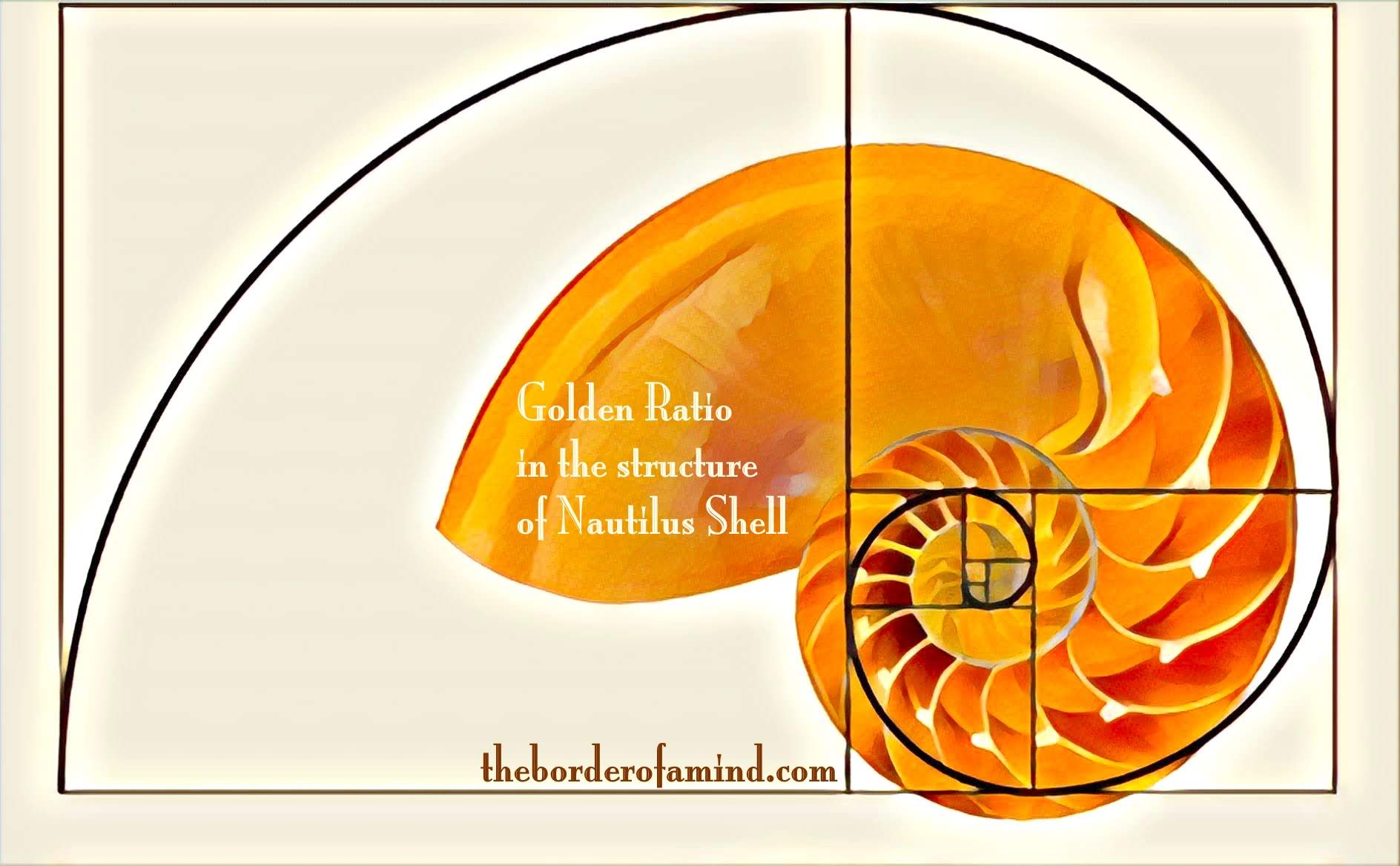
In geometry, a golden spiral is a logarithmic spiral whose growth factor is φ, the golden ratio. That is, a golden spiral gets wider (or further from its origin) by a factor of φ for every quarter turn it makes. See the below link for a reference.
Image By Jahobr – CC0, Link
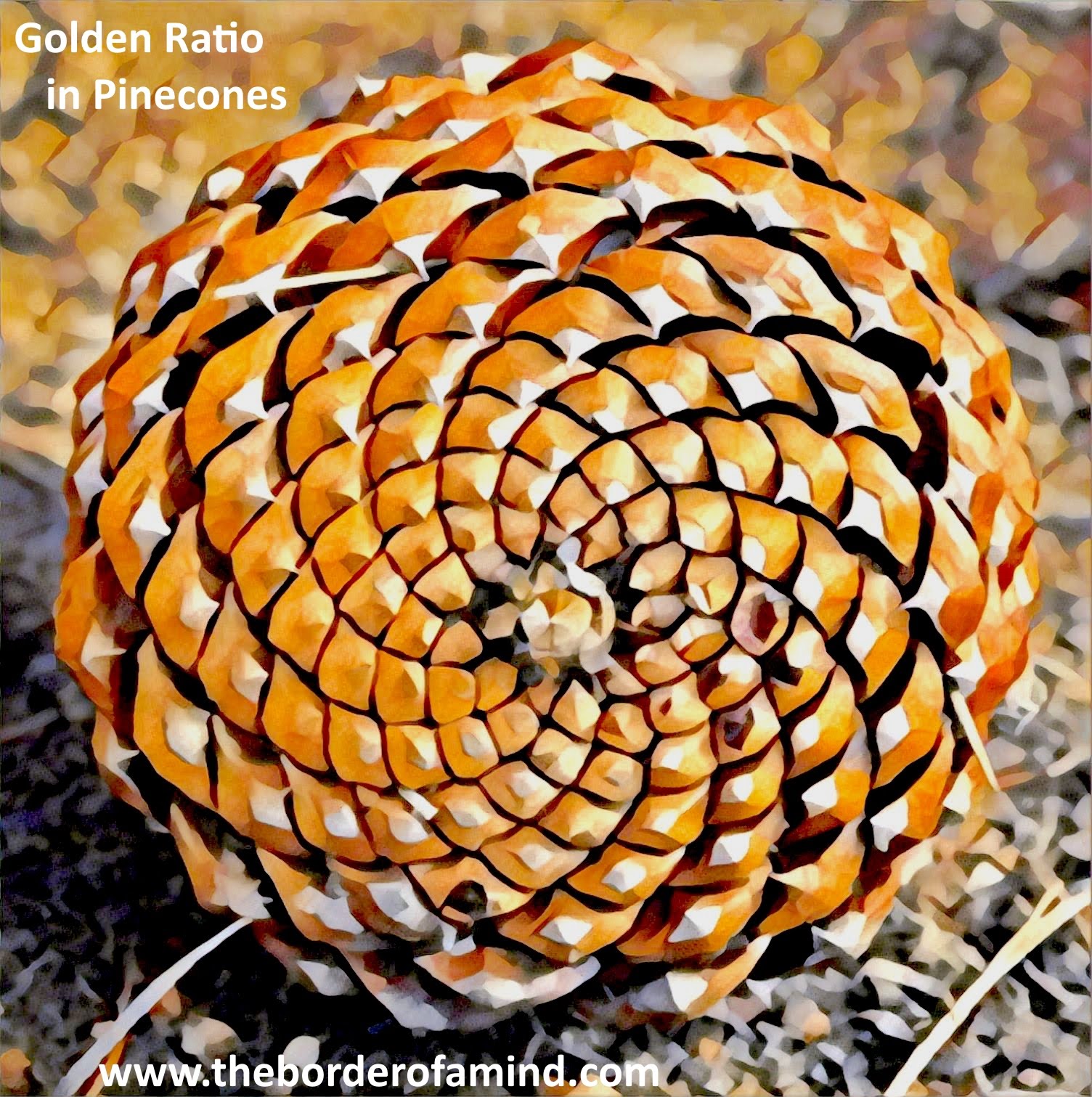
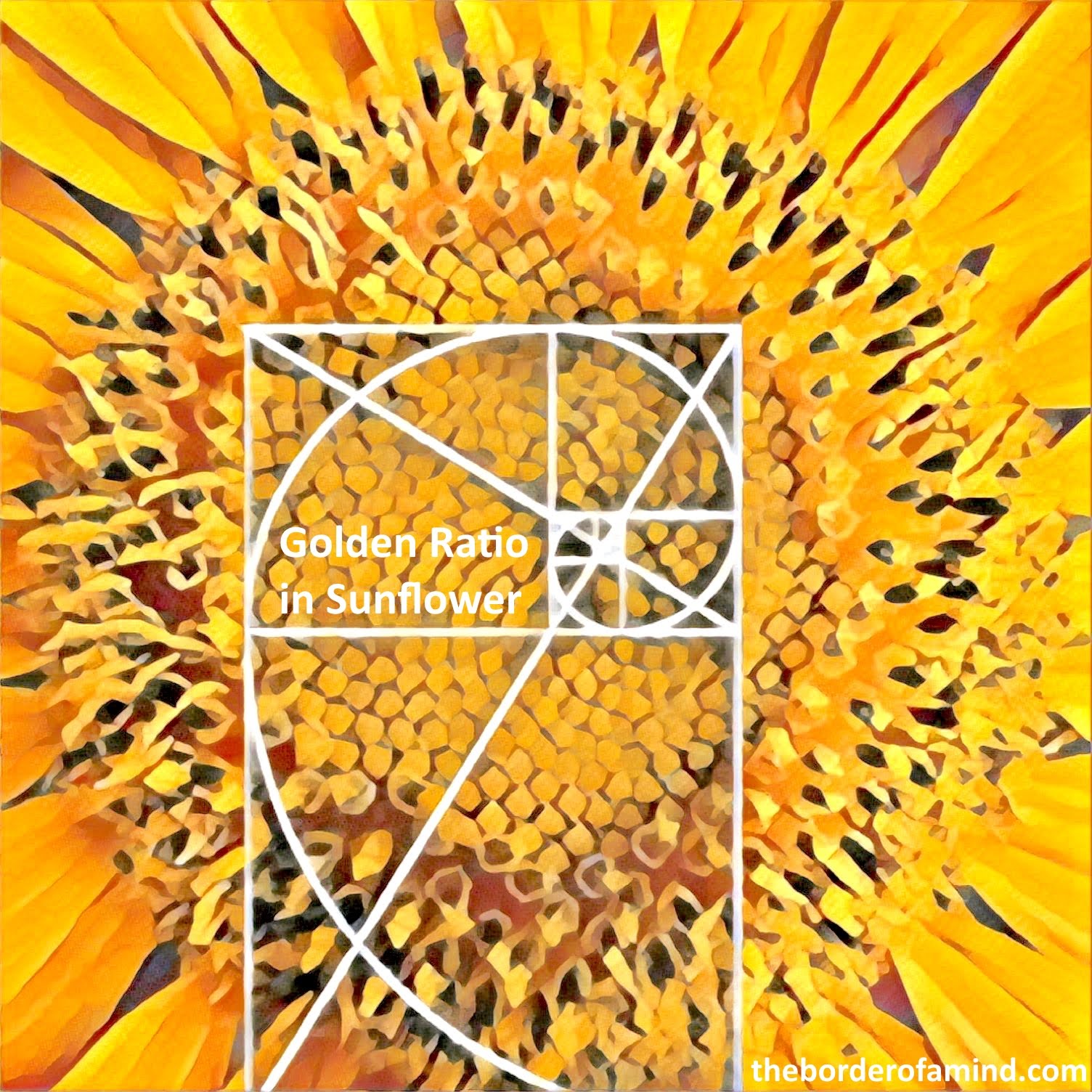
The golden spiral can be found in pinecones, sunflowers, pineapples, and a lot of other plants. Another amazing detail is that the petals of plants commonly grow in Fibonacci numbers.
In sunflower, we can notice two families of spiral patterns: one winding clockwise and the other counterclockwise. The quantity of spirals in each family are always two consecutive Fibonacci numbers. This effect is the result of closely packing points separated by 137.5 degrees in tight spirals. This implies that the a golden-ratio based phyllotaxis allows not only for optimal sun exposure but also for maximal packing in horizontal space. (Reference)
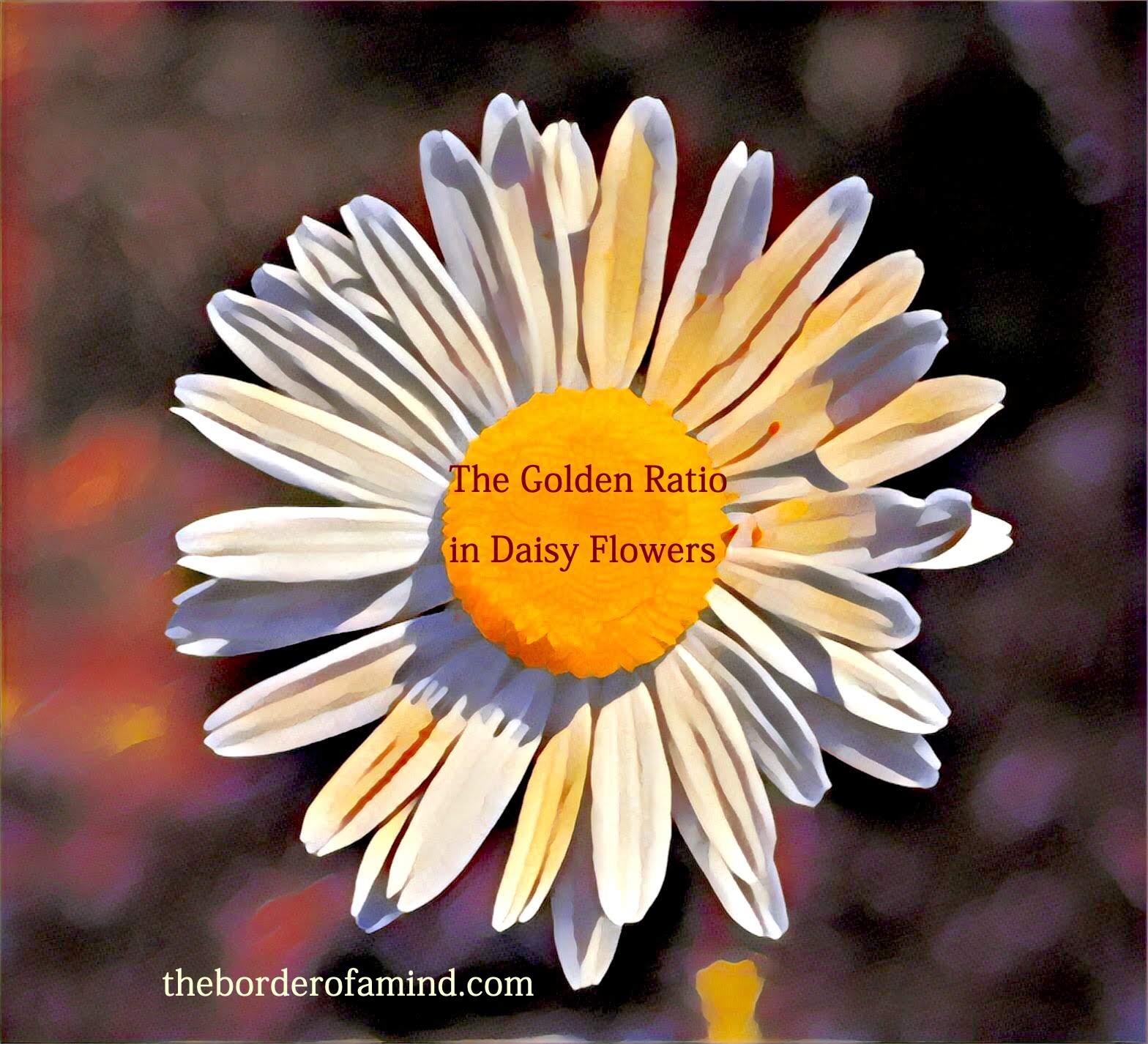
For field daisies, the count of petals is usually either thirteen, twenty-one, or thirty-four petals, all consecutive Fibonacci numbers. Bet you didn’t know about this before! 🙂
And it’s not over yet. We have more!
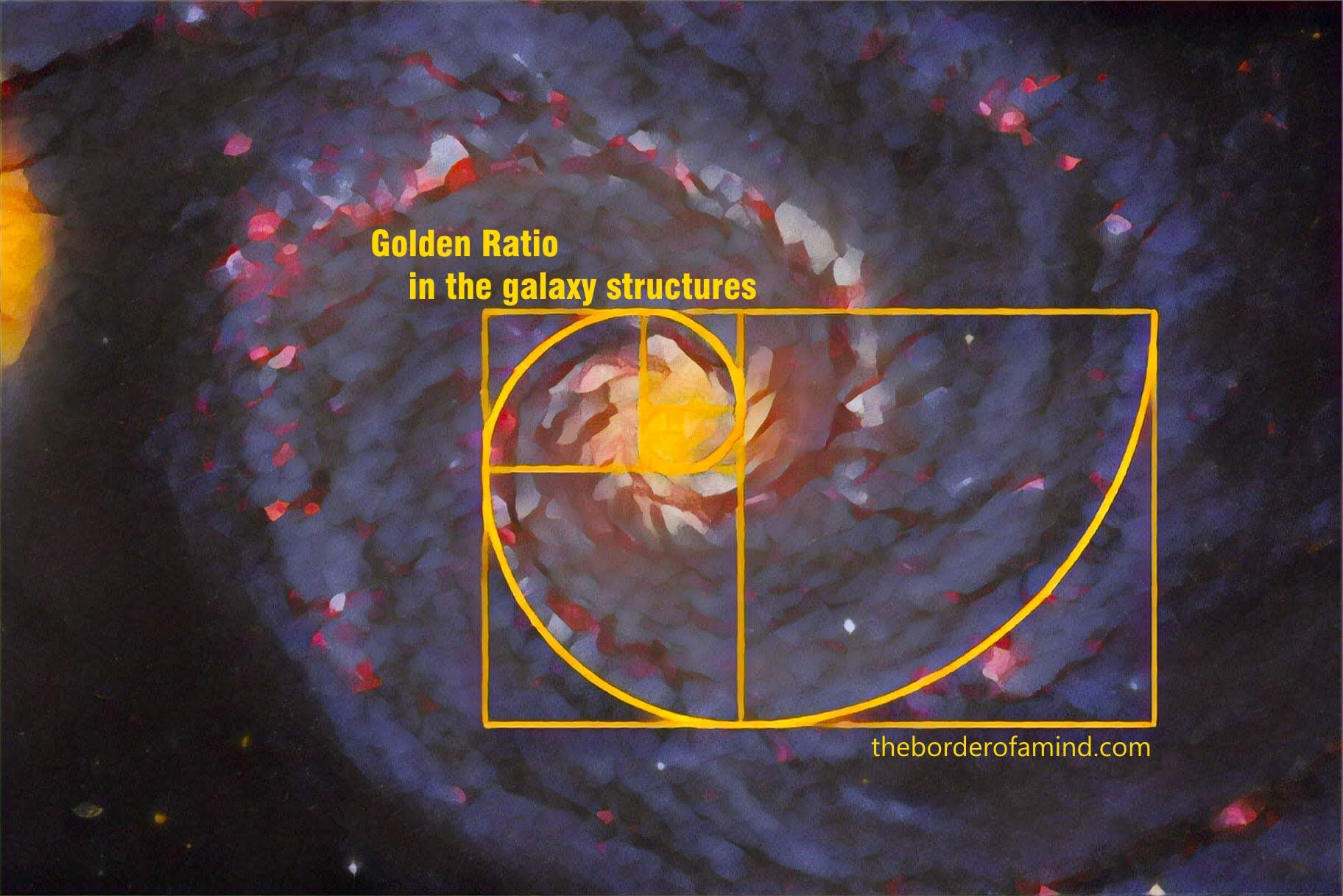
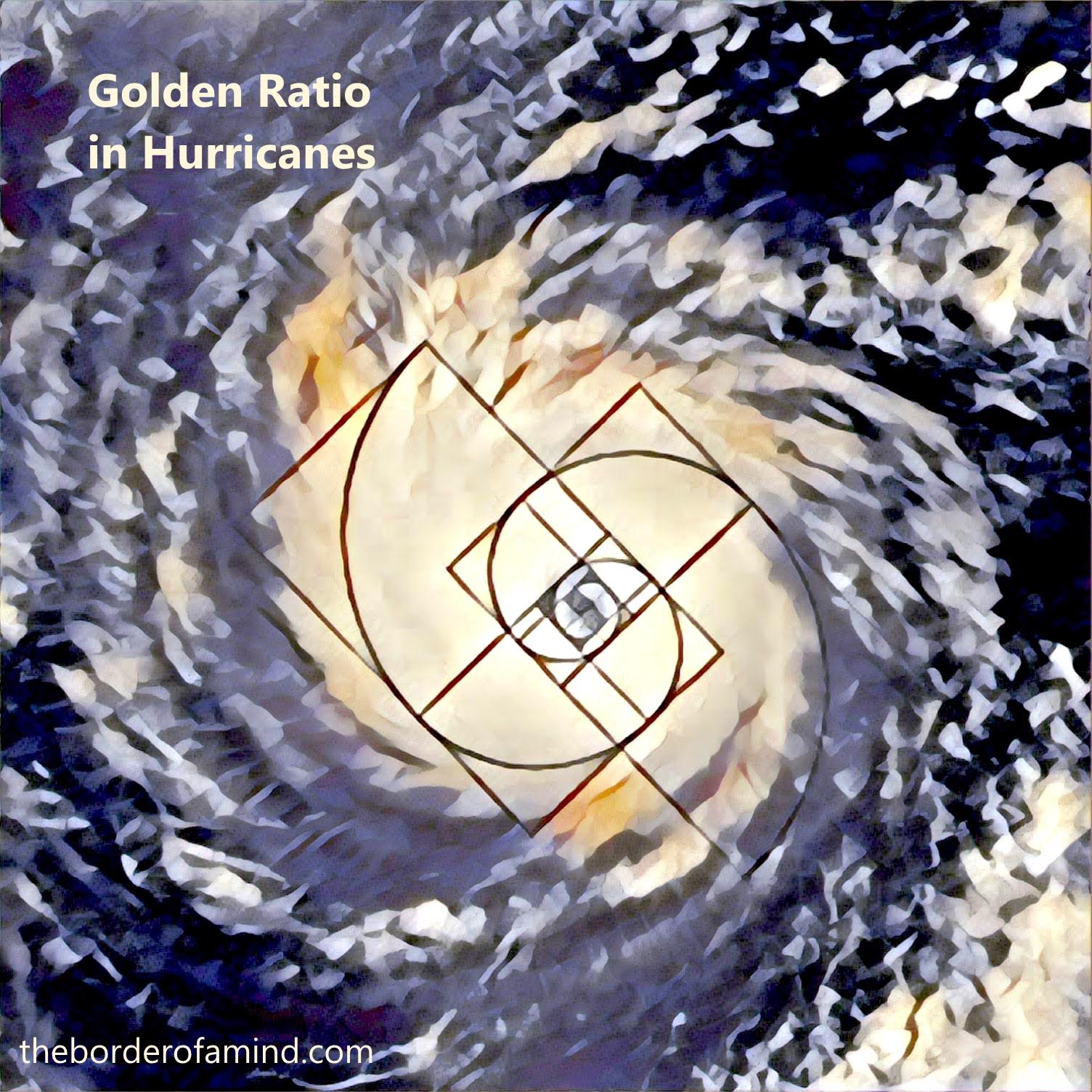
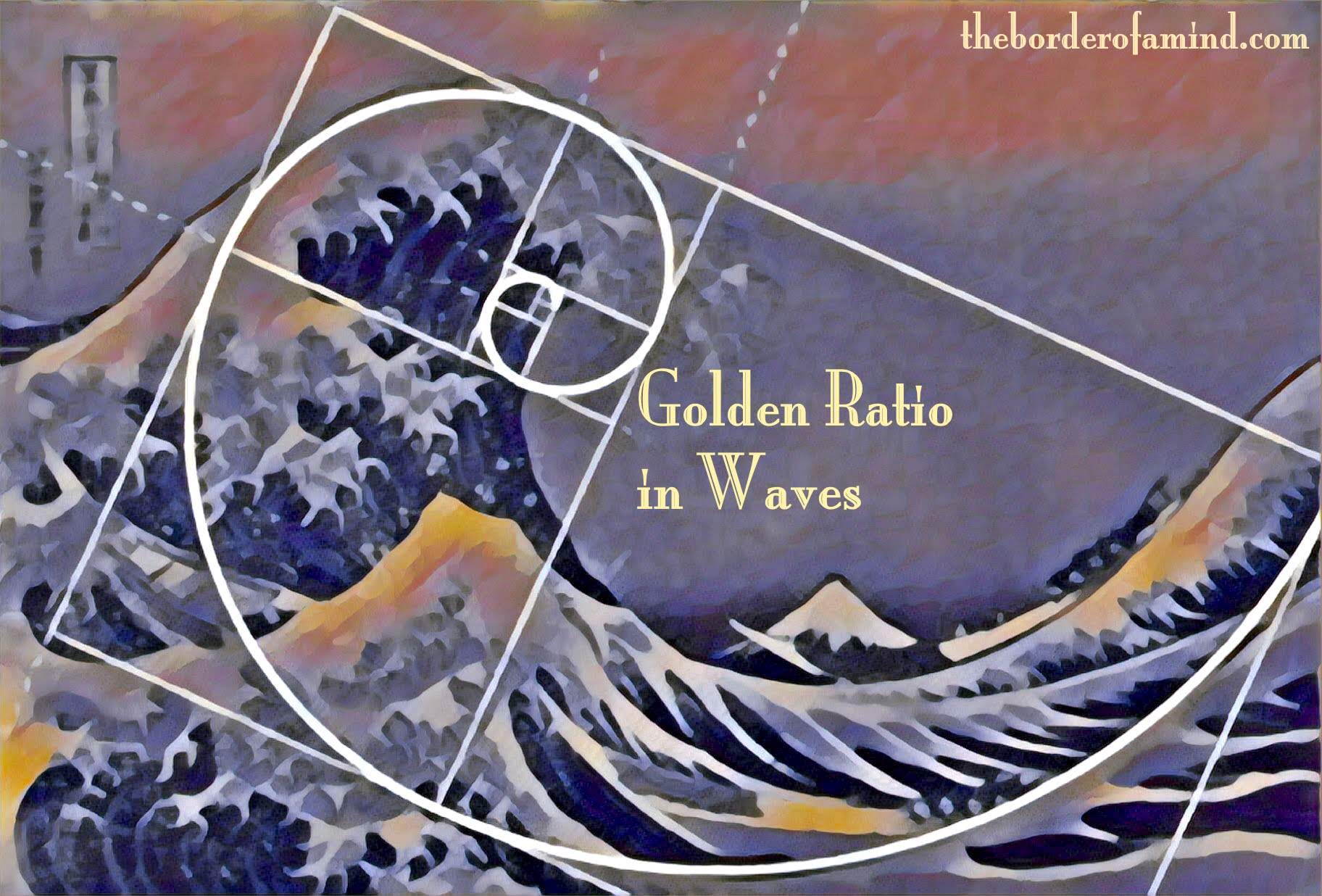
The golden ratio is even found in the shape of galaxies, hurricanes, and waves.
What I have shown here is only a small portion or subset of how this golden ratio pervades in almost every other stuff we are surrounded with. Leonardi Davinci has used this ratio in some of his greatest paintings. Architects use this ratio in designing structural solutions with better aesthetics. In architecture, they bring balance and height to structures and allow the usage of specific geometries and varying shapes and eventually help build aesthetic structures. They are also extensively used in arts and music as well. The ratio is made use of in the design of several musical instruments and in timing musical compositions (Climax reaching at 61.8% of the song sequence to make it more appealing, for instance). Beethoven’s fifth symphony uses this ratio. The ratio is also used in other fields like facial plastic surgery and cosmetic dentistry. This is really thought-provoking. If we ponder deeply on these realities, we come to the realization that everything around us is formed and ordered in a measure which we even don’t notice. We require the eye of wisdom and insight to contemplate these realities. Don’t let these astonishing marvels around you hide from your thoughts and cogitations when we get engulfed ourselves in the blurred rush of routine life. Uncovering this hidden mathematical miracle around us has a profound impact. Think about it, friends! Let’s widen our horizons and augment our perspectives. Personally, I believe this ratio is sort of like a divine signature. God bless friends!
Today’s disposition is to write something into our ponder series. For new readers who aren’t aware of these series, below is the thematic intention of this initiative that I mentioned in my first post on this topic.
” Often in the rush of our routines, we fail to appreciate certain hidden subtleties and nuances of living in this universe, which we can only admire if we consciously make an effort to think deeply with profundity.We have to pause for a moment and ponder, and hence the name of the series. “
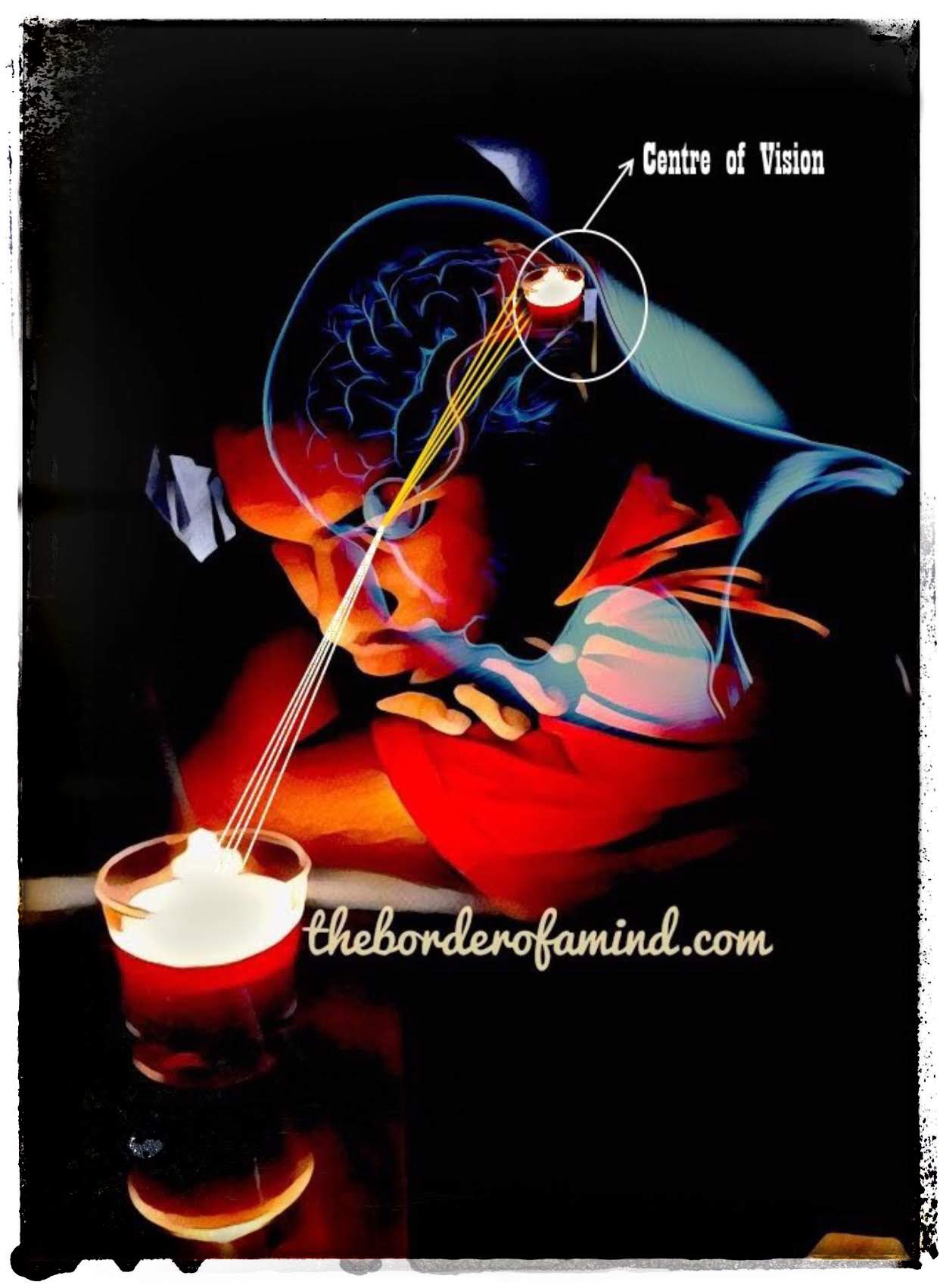
Let’s ponder on vision today. We are aware of the technical description of vision and how it’s accomplished in our bodily systems. The intention here is to delve in little deeper and explore the miraculous aspects of this process which we deem as pretty novel and relegate as trivial. ..Illustrated by The Border of a Mind Studios…
The illustration above shows a person gazing at a candle. Light bundles from this candle fall on the retina upside down. The image of the candle gets converted into electrical impulses and is transmitted to the centre of vision situated at the back of the brain. As you would know, the brain is pitch dark inside and it’s totally insulated from light. It’s technically impossible for light to reach this centre of vision. But we see the candle image transmitted there. In other words, the world of lights and depth is formed in this tiny spot which does not receive any sort of light from outside. The candle outside is hot. This applies to all senses. If we think about it, when we see the light of the candle and even when we feel its heat, the inside of our brain is completely dark, pitch dark and there’s not temperature change there. Isn’t that truly miraculous? Spare some thought into it. Ever wondered on how this happens? Those are the first steps that open up our thought process on several important things that we tend to wade off in our routines. Those who have been reading me for a long time might recollect the post “perceptions” which also conceptually shares the same context.
“We are so familiar with seeing, that it takes a leap of imagination to realize that there are problems to be solved. But consider it. We are given tiny distorted upside-down images in the eyes, and we see separate solid objects in surrounding space. From the patterns of stimulation on the retina we perceive the world of objects and this is nothing short of a miracle.” (Eye and Brain, 1966)
We are living in a time where all the talk is about happiness. Governments put up initiatives to enhance the happiness of citizens, employers trying to introduce policies to enhance the happiness of its employees. Everyone as a person is also trying to explore avenues and alleys to discover happiness and fulfillment. Netta lately shared with me a wonderful post from the Instagram profile of Freddy Birdy and we read it together lying down on the couch. It was so enchanting and beautifully written so that I decided to have it shared here as I didn’t find it anywhere else online and also serving it my usual art sauce of illustrations crafted by The Border of a Mind Studios. Hope this is worth your time and thanks to the original author for this wonderful piece.
The pursuit of happiness. All our lives we spend wondering WHAT it is that will make us happy. Wondering if we ARE actually happy. Wondering if we WILL ever be happy. Wondering if we will find everything we ever dreamed of. But happiness. We know in our minds what we THINK will make us happy. The perfect job. More money in the bank. The ultimate partner. Children who get straight ‘A’s. A dream home overlooking the city. A beach house parked next to the sea. Love. Platinum credit cards. Always turning left once you enter an aircraft. Never looking at the right-hand side of a menu.
Fame. Followers. Likes. Attention. Success.
A Lamborghini (Countach). Unlimited Exotic travel. Great Metabolism. A fat paycheque. A slimmer you. Space on a magazine cover. Permanent residence in someone’s heart. Something.
We travel to new cities. We attend all the parties. We climb up another rung of the ladder. We do things we KNOW will make us happy.
And we wonder why despite living our dreams, happiness still isn’t our reality. When will we realize that happiness is in the ordinary, the mundane and the lacklustre?
Happiness is how you make somebody FEEL.
It is in ordinary everyday things. not in life goals.
Happiness is the opposite of a plan. Happiness is NOW, this minute, this microsecond.
Happiness is never taking anything or anyone for granted. It is the scent of freshly brewed coffee on the WAY to work.
It is not a new car, a new iPhone, a new watch or a new PERSON.
Happiness is the absence of grief. Happiness is writing a thank you note to a friend. Happiness is listening. It is taking your dog for a walk. And making dinner for your child. And singing in the shower.
Happiness is one more pat of butter sliding down a hot, naked toast. Happiness is a porch light on and waiting. Happiness is the promise of a doorbell.
It is in the secret of eyes meeting for the very first time. It is in fingers touching accidentally in paper popcorn holders at the movies.
Happiness is not in counting currency notes. But your blessings.
Happiness is not what others think of you. Happiness is what YOU think of yourself. Happiness is the smell of a new book. Or the smell your lover’s clothing hanging on a bathroom hook
Happiness is not your child’s report card. Happiness is your child’s happiness.
Happiness is not a 21-course menu degustation. Happiness is a 5 Star bar discovered in a lunch box. And greasy omelette pays with friends at 2 am
Happiness is laughing at the same joke again and again and still again in your head.
Happiness is staring at a familiar WhatsApp message and smiling to yourself.
Happiness is a large plate of Maggi. Served with FOUR forks.
Happiness is your first mango of the season. Or the last installment of a loan.
Happiness is not a ten thousand rupee perfume on a duty-free counter. Happiness is the scent of your lover’s NECK. Or familiar arms holding you close in newer ways.
Happiness is watching a loved one snore softly in deep sleep. Happiness is also forgetting. Forgiving. And letting go.
Happiness is training your mind to unthink Lastly, happiness is not about counting stars, staring together at a new moon, riding unicorns,
chasing rainbows or dancing barefoot in the twilight.
” Every garden scheme should have a backbone, a central idea beautifully phrased. Every wall, path, stone, and flower should have its relationship to the central idea. ”
– Edwin Lutyens
Indoor garden at Genie’s Cove.
The central idea here is obscure minimalism.
“The best use of life is to spend it for something that outlasts life. Life is like a cash register, in that every account, every thought, every deed, like every sale, is registered and recorded. Life is not lost by dying; life is lost minute by minute, day by day dragging, in all the thousand small uncaring ways. We are here to add what we can to life, not to get what we can from it.” – Fulton J. Sheen
Illustration by The Border of a Mind Studios.
I got my first hands-on experience with a professional VR system last August. The set I tried was an HTC vive. I had assembled a classic Google Cardboard system couple of years back to get a tiny glimpse of how an entry-level VR system works, although not the best in quality owing to its cardboard body and lower quality lenses.
The headset makes use of “room-scale” tracking technology, which allows the user to move in 3D space and enables interaction with the environment through the use motion-tracked handheld controllers Gyrosensors, accelerometers, and laser position sensors are generally used to track the position of the head. A plethora of additional accessories are normally accompanied with a VR unit for expanded experiences depending on the function of the accessory. Special thanks to dear friend AR for his kindness in showing me these stuff knowing my sort of invasive curiosity in these things. In the short time frame to try it, I could test Google Earth VR and also the inevitable test app of any VR experience you name – Roller Coaster. Google Earth’s VR basically allows you to casually stroll through any international destination you could think of. They’ve facilitated enhanced content for locations of international interest and adds to the fluidity and overall richness of glancing at them and being ‘present’ in that space. Roller coaster VR version of vive was the most immersive among the similar ones I have experienced so far. On a broader note, the shift of experiences to this “out of home” sequences stands in pretty stark contrast to the quintessential social media narrative of documenting experiences and sharing it on a social platform. In VR, since the entire experience is on a virtual space, I normally reckon it as a benefit due to the exclusivity of the experience, though people might differ in opinion on that aspect depending on the way they organically intuit.
“...in this era of social media escapism, even those aren’t enough. We take out our phones and escape further into the screen, placing greater importance on the documenting of an experience rather than the experience itself. Virtual reality stands out as one of the few new experiences that preclude that option of escape — and instead demand our presence. We may not be in the physical world, but we are completely immersed in a new one: no splitting our attention or pressure to prove we were there. It’s just you, whoever you’re with, and the game. And in this day and age, that in itself feels like a new idea.“
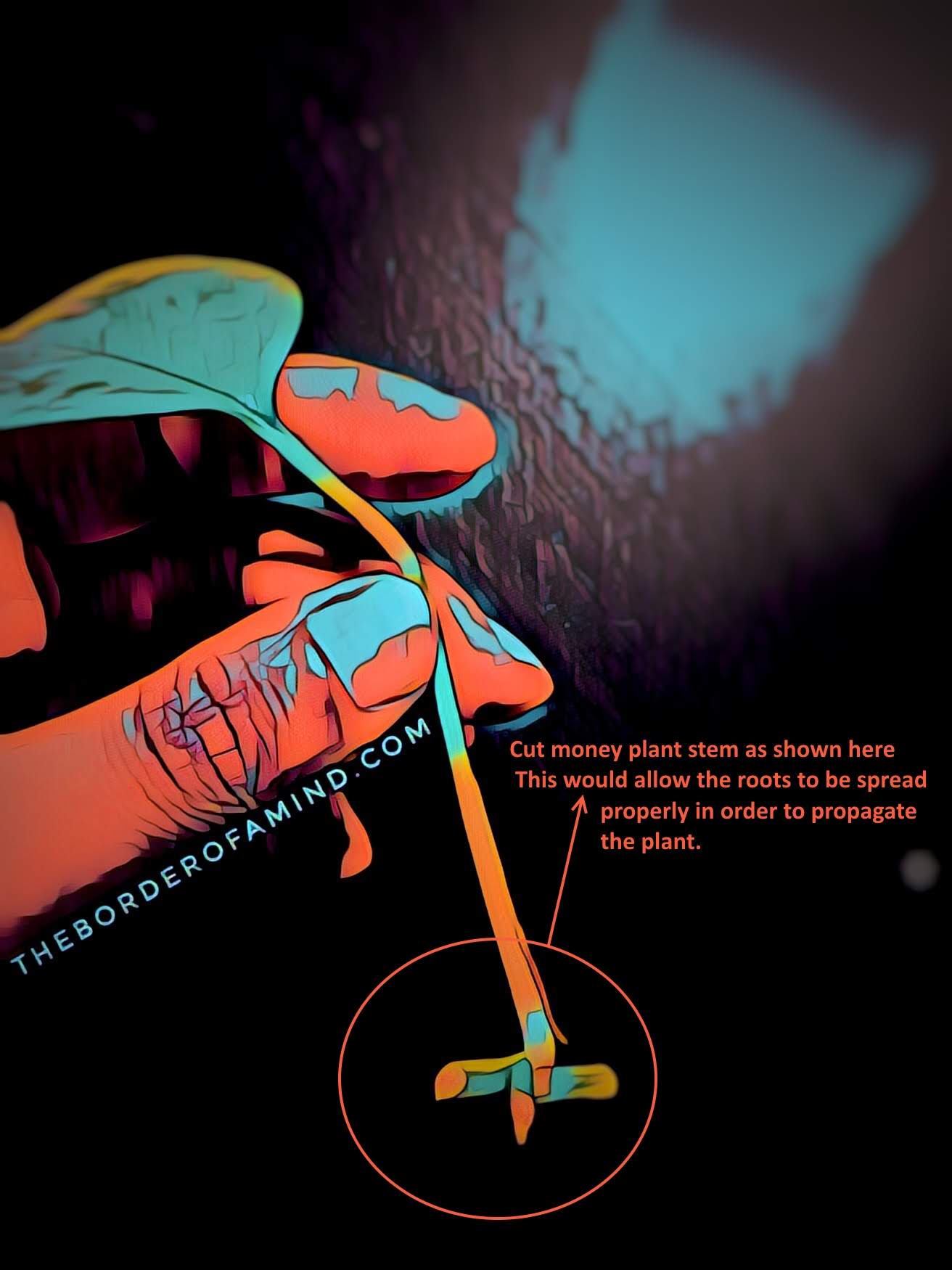
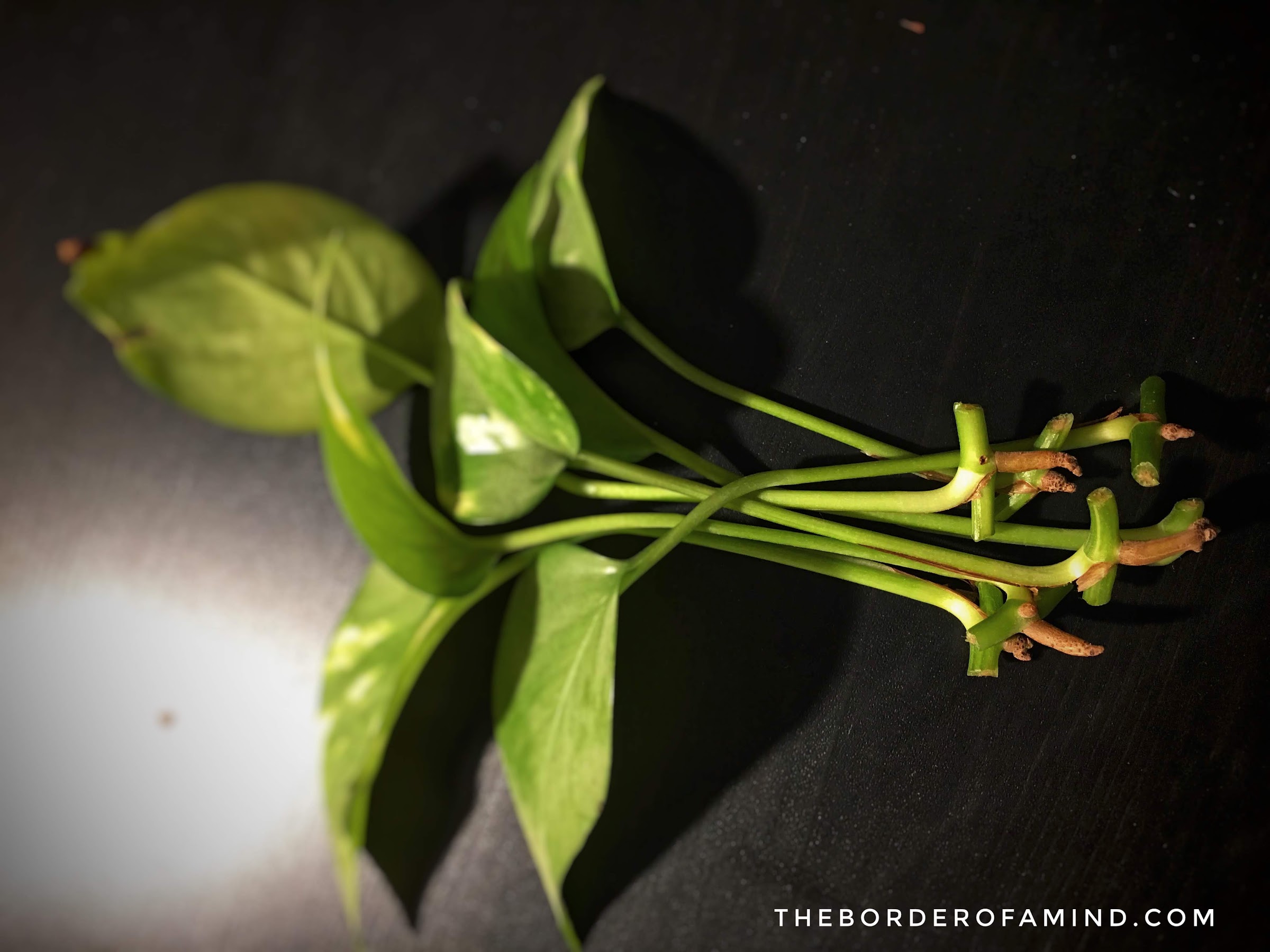
I am really fond of money plants and try to grow them in literally every container I get my hands on to an extent that Netta on getting an empty bottle from any corner of the home or from groceries, she would routinely ask me ” Here’s a bottle, wanna grow in ’em? “. If you have been reading here for long, you might recollect this earlier post wherein I had shared an illustration. Money plants have a multitude of names. You might have heard names like golden pothos, Ceylon creeper, hunter’s robe, ivy arum, money plant, silver vine, Solomon Islands ivy, and taro vine. All basically refer to the same thing. For this post, I shall call it a money plant. It’s very easy to propagate a money plant if we know a simple technique. Initially, when I started with money plants, I used to cut them randomly at different points and they used to wane off and don’t develop roots. I would like to share an easy-peasy tip on propagating money plants effectively. I’m posting this after trying and testing with different sets of plants and it works really well. In fact, It’s a very simple procedure. You take out a considerably large branch of an existing well-grown money plant and cut at either side of the stem at the root of each individual branch. Take a look at the illustration below:
Cut a set of around 5-6 leave like this to grow a complete bushy set.
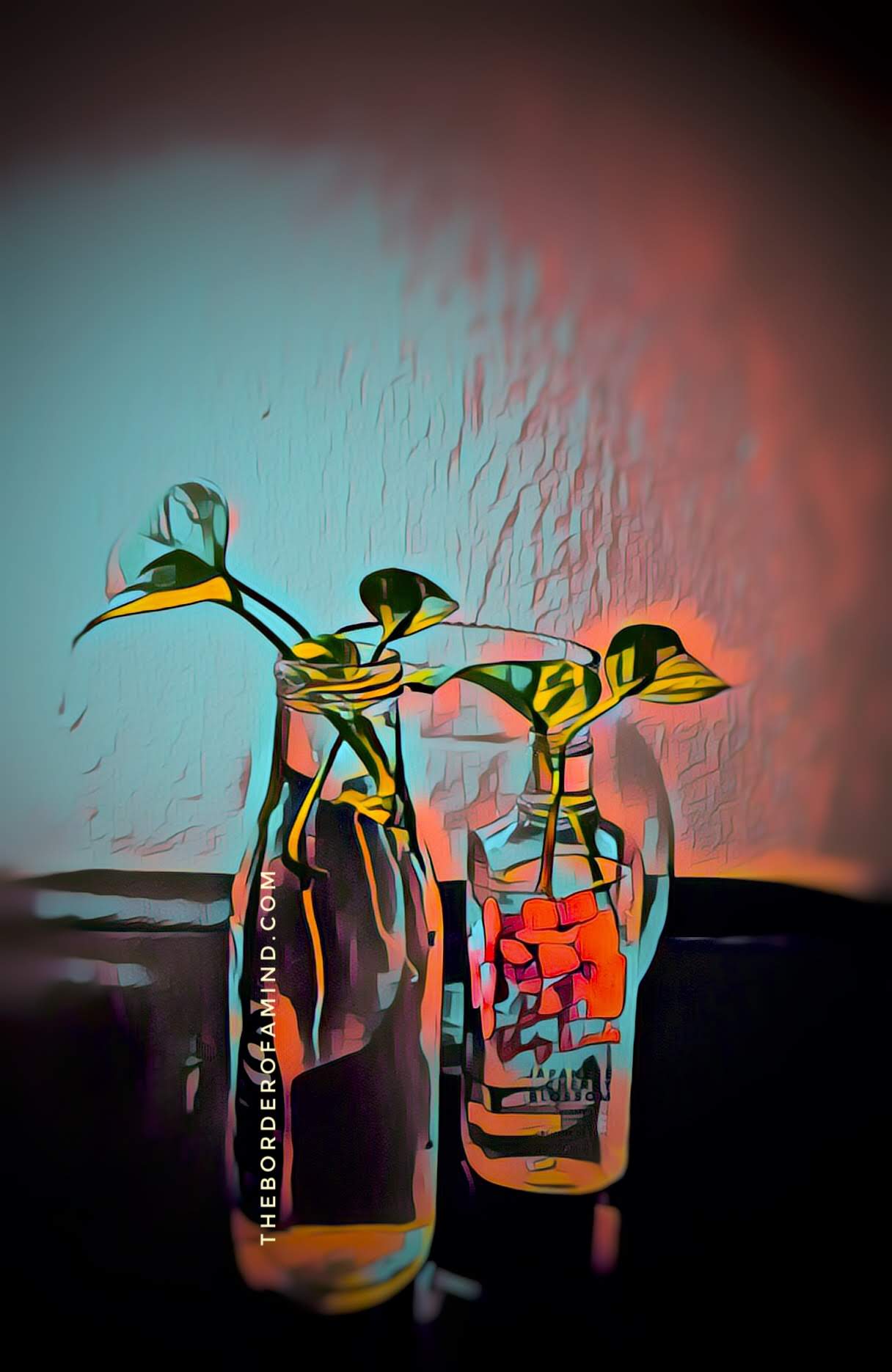
Carefully hold them and insert them into a clear glass bottle with clean water and leave for 4-5 weeks. You’ll find roots gradually developing and it can be either left off in water itself or can be transferred into a mud pot. You can place it just about anywhere.
“Social counterpoints can be a shrieking reality. But life may nevertheless become a colorful canvas with an array of opportunities, allowing us to escape from the suffocation of our enclosure if we hold ourselves receptive to the healing power of the daily little marvels and stay aware of the vivifying unexpectedness of the ‘moment’.


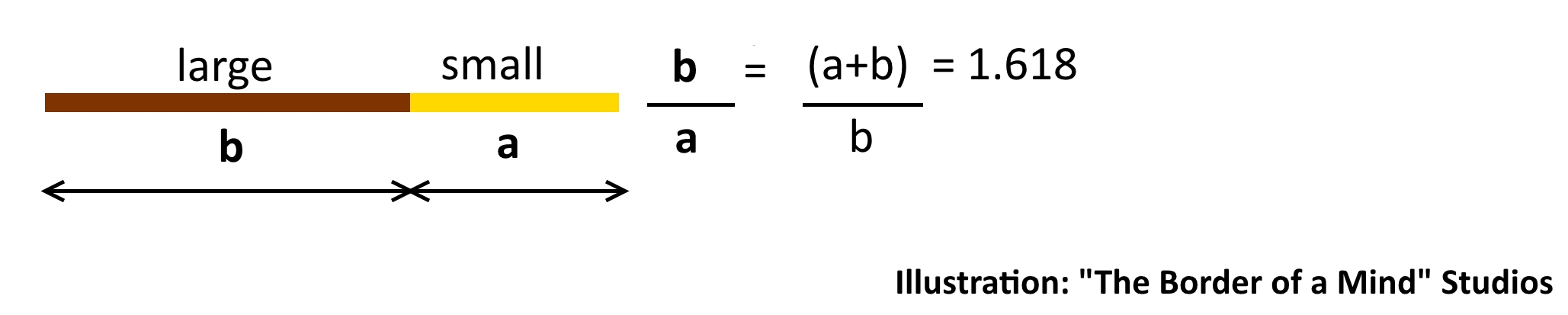
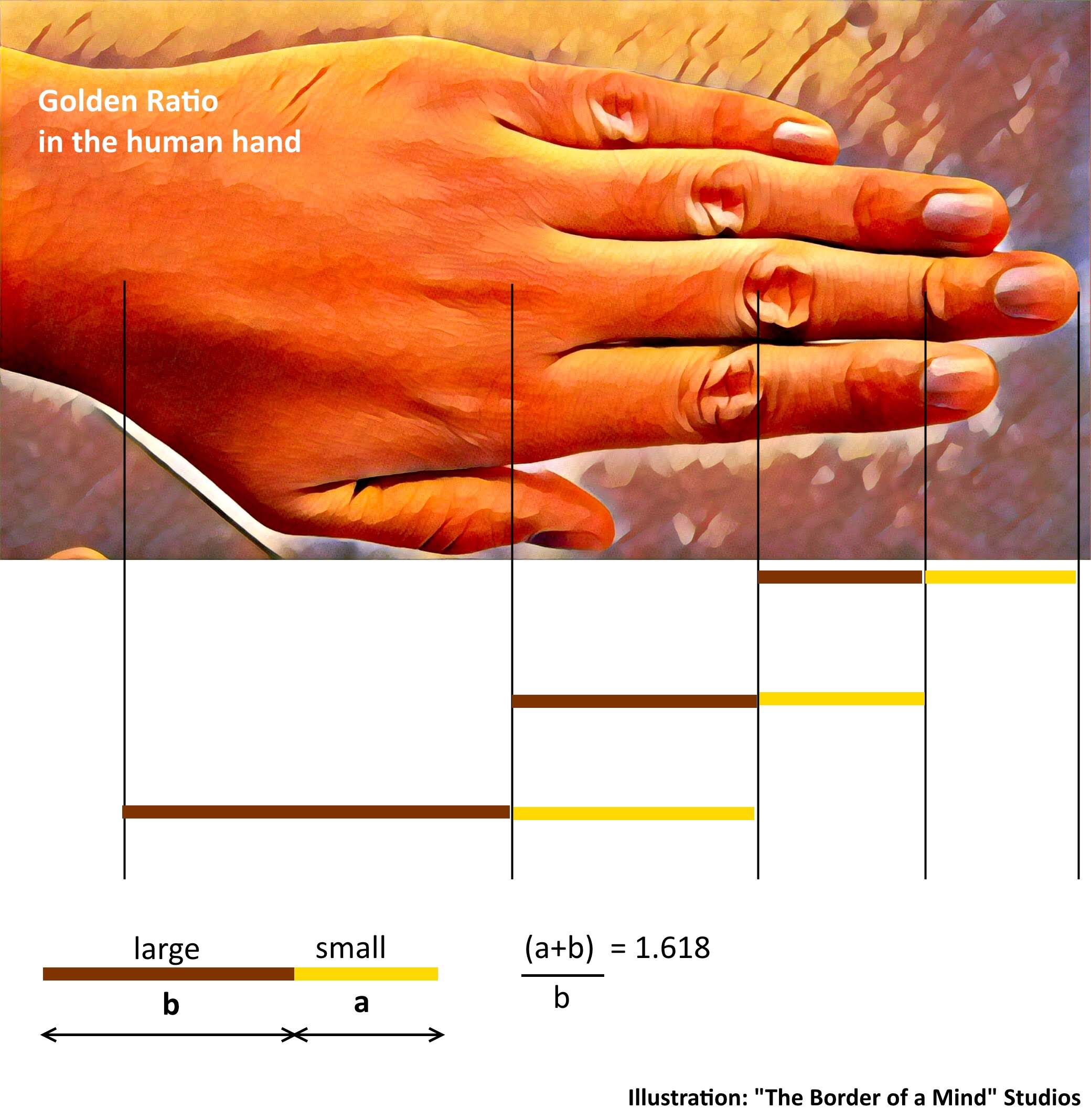
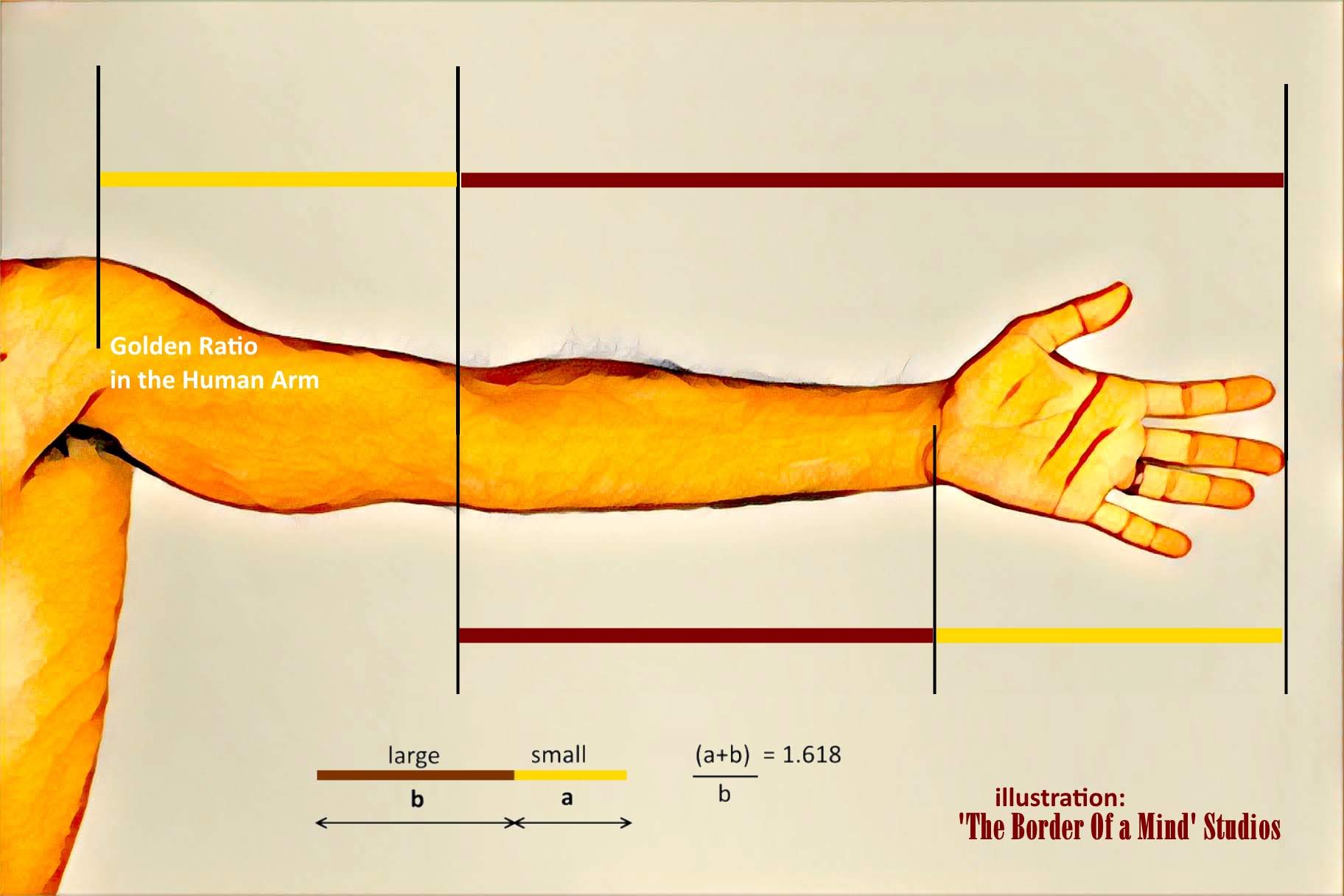
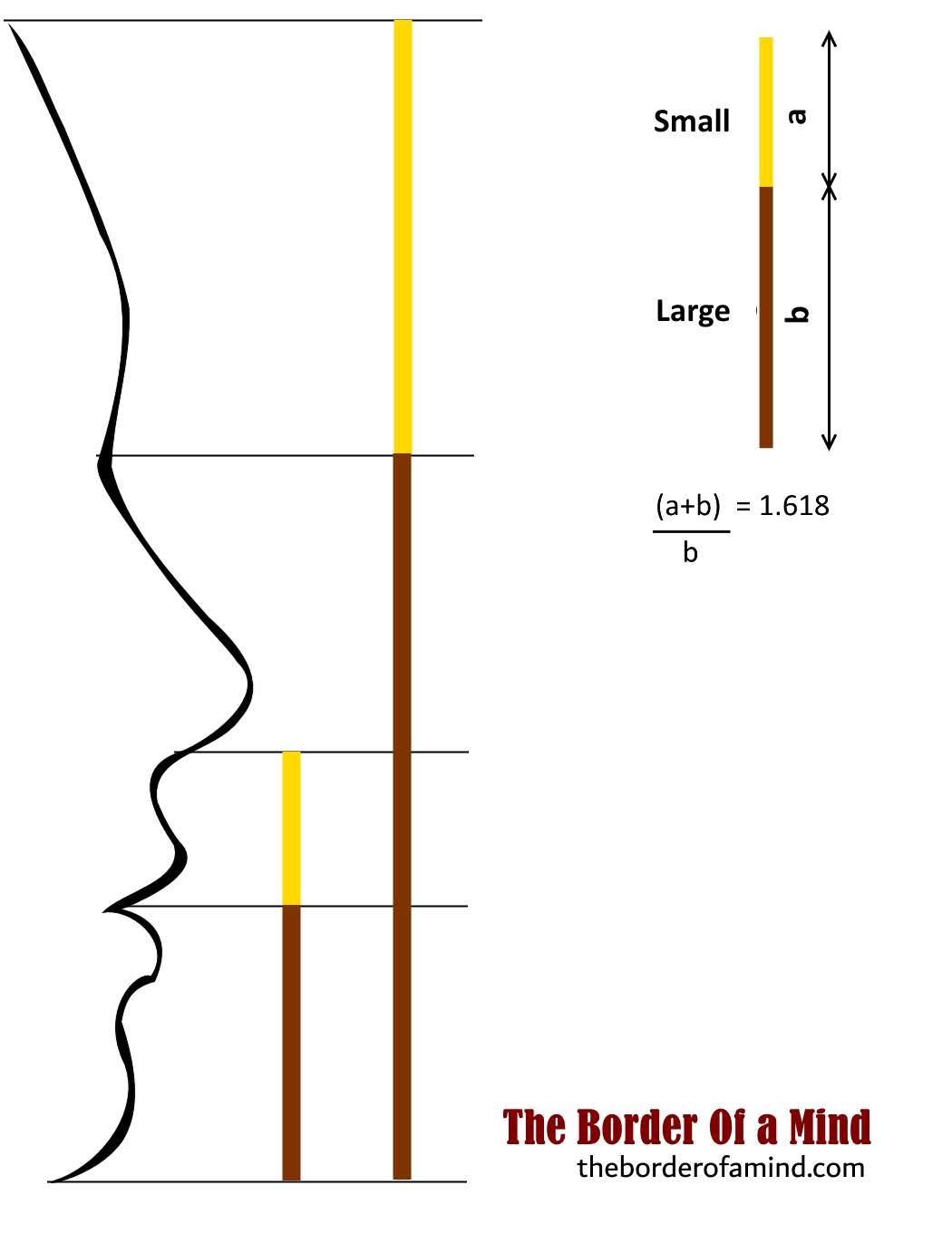
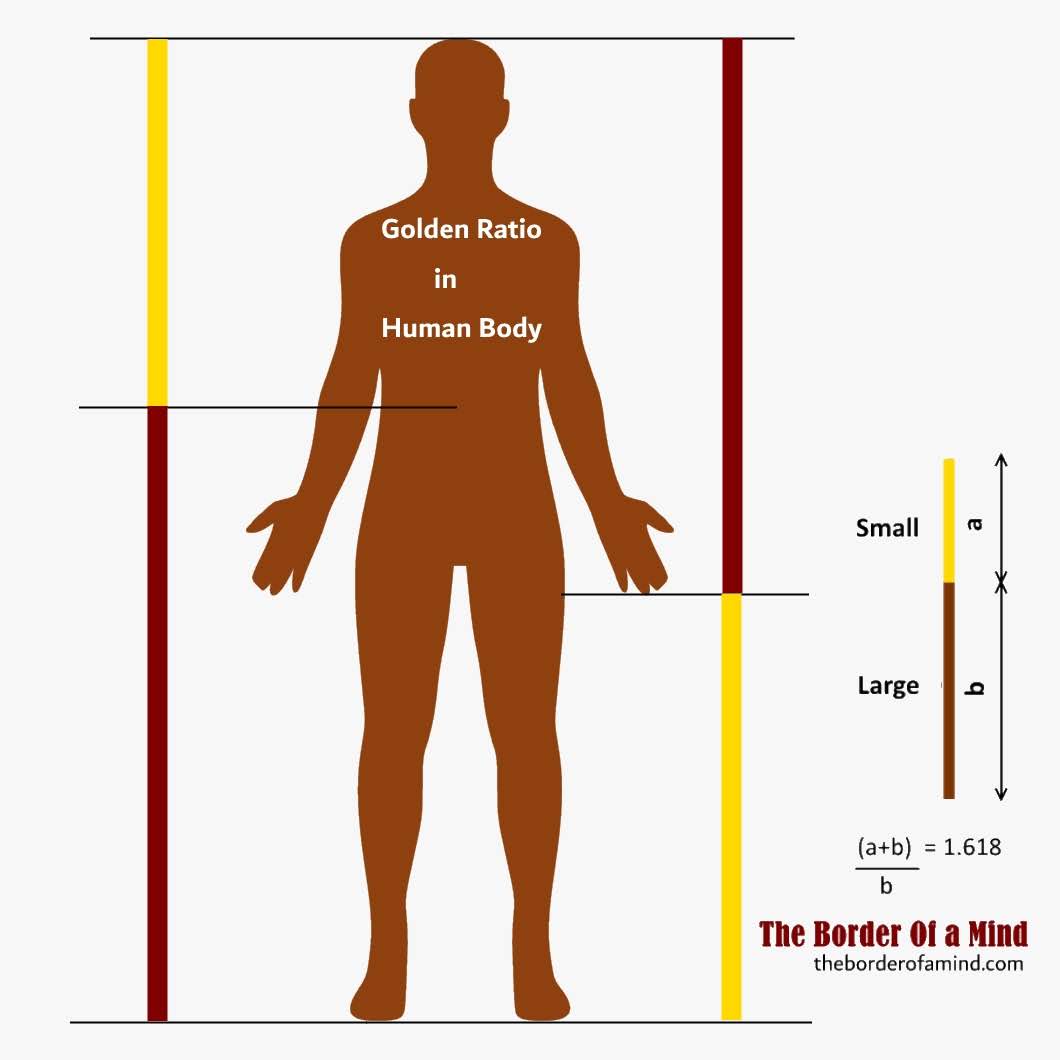 Now, that’s far from over. Let’s go a little deeper. The same ratio is true for the below: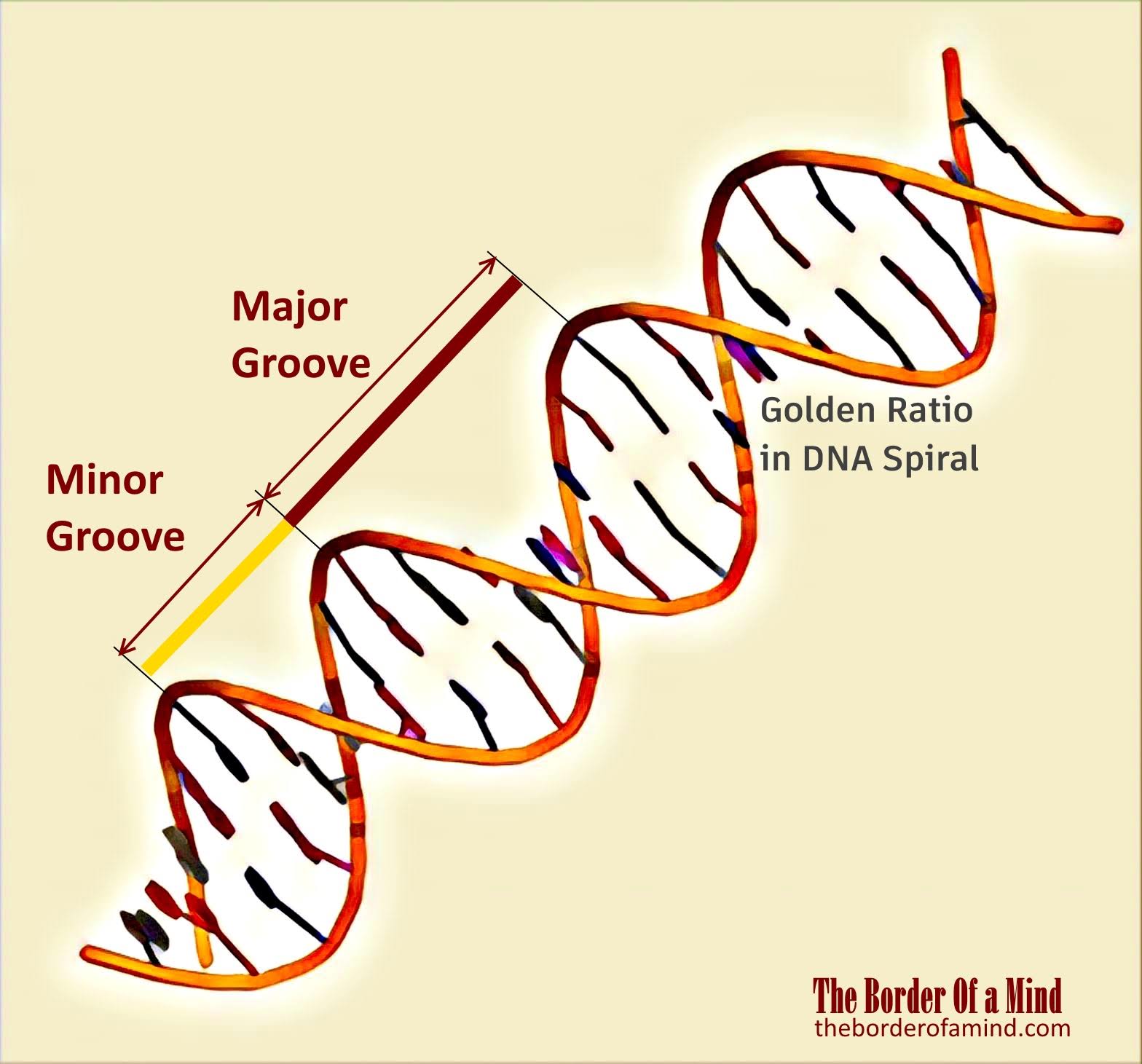




 I got my first hands-on experience with a professional VR system last August. The set I tried was an