valiance.

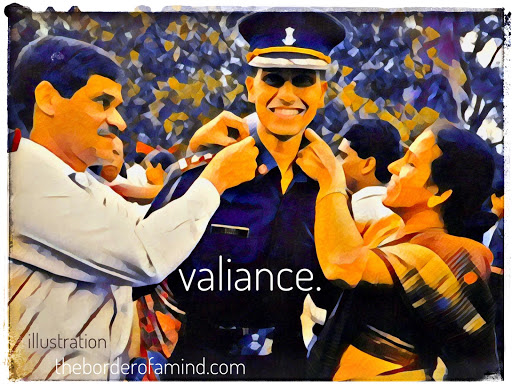
After recently seeing a South Indian flick revolving around the story of an army man and his valiant death in the service of the nation, I’ve been thinking of Major Sandeep Unnikrishnan (15 March 1977 – 28 November 2008). He was an officer in the Indian Army serving in the elite Special Action Group of the National Security Guards. He was martyred in action during the November 2008 Mumbai attacks. He was consequently awarded the Ashoka Chakra, India’s highest peacetime gallantry award, on 26 January 2009. He was the only son of retired ISRO officer K. Unnikrishnan and Dhanalakshmi Unnikrishnan.

It’s been almost 10 years since his passing and I was looking at the narrations and thoughts of his proud mother.  She gets a new T-shirt for her son on the day of his birthday. Recently actor Tovino Thomas visited their home after she expressed an interest to meet him after he starred in an army movie. She gifted him one of those T-shirts and cooked for him appam and stew, her son’s favorite dish. Probably because I was in the mood after watching the flick, but I’m deeply moved and ardently melted by these gestures and the strength of their family.

Ajay Sukumaran writes on Outlook India

Over these 10 years, Major Sandeep Unnikrishnan’s parents have grown used to spending a large part of their time travelling to events or meeting people. A few months ago, they were in Kerala to speak at a school, despite Dhanalakshmi’s nagging backache. “I will go and speak as long as my health permits,” she says. She has so much to share with people about her son. “After he has gone, we have only him to talk about.”

Upstairs in their two-storey home is a gallery, a labour of love for their son. “He would keep his things very carefully. So we were wondering what to do with them. And that’s how we created this,” she says. There’s an astonishing collection of personal articles and memories, painstakingly put together four years ago. A harmonica, a nursery-class gift from his father which Sandeep treasured; the first cup he won in a school sports tournament and several other accolades that followed; his clothes and shoes, all neatly pressed and polished, in a glass wardrobe; the Ashok Chakra medal and citation; the bag with a change of clothes that he carried into Operation Black Tornado and his entire kit; the dirt from the spot he fell, at the Taj Mahal Palace Hotel, which the family visits every anniversary (a sofa from the room is now at the NSG’s headquarters in Manesar); the Indian flag his body was wreathed in.

On another side of the room, a glimpse of the personal side of a man dedicated to his profession—His 1999-model music system, an old point-and-shoot camera, his small collection of movies, among them Akira Kurosawa’s Seven Samurai. He had told mom to keep the CDs safe, and so she did. There are other mementos: the towel she wrapped her four-month-old baby in when the family moved to Bangalore in 1977; a T-shirt the one-year-old had worn. It is still work in progress, she says. There are so many more articles to add.

Every year on Sandeep’s birthday on March 15, his best friend from school brings a bouquet which his mother keeps alongside his photo until the next birthday. His military colleagues stay in touch and schoolmates, many abroad now, drop in with their kids. “Frankly, if you ask me, why was he so popular? I would say he deserved it,” says Unnikrishnan, who is in his mid-seventies. “Sandeep is living in many minds.” The family lives by the ideals that Sandeep set for himself. “We have learnt a lot from him,” says Unnikrishnan. “I always make sure I dress well,” his wife adds. “That’s how Sandeep liked it.”

Sandeep’s Ashok Chakra, the country’s highest peacetime gallantry award was received her mother and the citation in it reads:

“Major Sandeep Unnikrishnan led the commando operation launched on 27 November 2008 to flush out terrorists from Hotel Taj Mahal, Mumbai in which he rescued fourteen hostages. During the operation, his team came under intense hostile fire, in which one of his team members got grievously injured. Major Sandeep pinned down the terrorists with accurate fire and rescued the injured commando to safety. In the process, he was shot in his right arm. Despite his injuries, he continued to fight the terrorists till his last breath. Major Sandeep Unnikrishnan displayed most conspicuous bravery besides camaraderie and leadership of the highest order and made the supreme sacrifice for the nation.”


transience.

We have spoken about fragility in the same thematic context before.  I happened to read about the concept of  Mono no aware frequently referred to in Japanese culture.

“Mono no aware, literally “the pathos of things”, and also translated as “an empathy toward things”, or “a sensitivity to ephemera”, is a Japanese term for the awareness of impermanence, or transience of things, and both a transient gentle sadness (or wistfulness) at their passing as well as a longer, deeper gentle sadness about this state being the reality of life. “Mono-no aware: the ephemeral nature of beauty – the quietly elated, bittersweet feeling of having been witness to the dazzling circus of life – knowing that none of it can last. It’s basically about being both saddened and appreciative of transience – and also about the relationship between life and death.”

Often this concept is referred with an allegory of Japanese Cherry Blossom season in Japan which is known for its perhaps more “visible” transience. The below petals are from my office garden. The same plant in different stems conveys the unavoidable transience of life. While one of the petals is on a bloom, the other one slowly withers away.

Taylor Bond, in her wonderful article, puts it very elegantly:

“What comes most easily to mind is the beauty of the cherry blossom; the flower blooms intensely, yet only for a short period of time each year. As the flowers die and the petals fall, cherry blossoms line the streets like a layer of soft, pink snow, and are most beautiful when captured between the precipice of life and death. That is precisely the unique appeal of the cherry blossoms; their aesthetic focuses on the unavoidable transience of the material world that exists. According to this view, the fragility and inherent brevity of an instance of awe, such as the blooming of the cherry blossoms, only aids in heightening the event’s stunning, albeit melancholic nature. Because it only lasts for such a short period, it is undoubtedly appreciated more. Understanding and accepting that innate uncertainty of life helps us evade the overwhelming feeling of morbidity associated with impermanence, instead highlighting our ability to enjoy life by appreciating its fleeting moments. The unavoidable nature of finite existence is contrasted with the never-ending stream of change, as life continues to occur despite the continuous passing of objects and experience. The realization of impermanence is therefore bittersweet, tinged with mourning, and yet also capable of recognizing the beauty of change in itself.’

Similar thematic allegories are also narrated in scriptures.

And cite for them the parable of the present life: it is like water that We send down from the sky; the plants of the earth absorb it; but then it becomes debris, scattered by the wind. God has absolute power over everything.” (Q’ 18:45)

“Golden Ratio” | Ponder Series

Before I start, let’s see this beautiful video “Nature by Numbers” by Cristóbal Vila. I first saw this almost 9 years back and it helped discover a lot of amazing knowledge treasures which I didn’t know before. This number is used by architects and designers extensively, but what we are discussing here is something else. It’s about realizing and pondering on how the entire universe is crafted specifically in a specific metric. Have a look at the video and I shall elaborate further with detailed illustrations. I was pretty pumped up when I first came to know about this and would like to take this write up as an opportunity to share this information with you. Probably this would be the first write up for which I spent the longest time preparing content and illustrations for the only reason that I’m super excited to share this all of you. Now, let’s read.

This piece would be an addition to the Ponder Series that we have been writing extensively over the past several months. When we think about the world around us and also when we look within, it might seem usual and ordinary. But ponder series, as you might know, is all about thinking deeply and delving into the details by going beyond the ordinary perceptions. “Golden Ratio” is such a concept that’ll blow our minds off. I first read about this interesting ratio pervading the universe when I was in college. I shall elucidate it here, preferably with some visual illustrations. If you have not heard about this before, I’m sure this will definitely throw you into some wonder. Read it very carefully. It’s exciting information!

Many of us would be familiar with the Fibonacci series of numbers which were discovered by the Italian mathematician Leonardo Fibonacci in 1202 B.C.
It’s a series as below:
0, 1, 1, 2, 3, 5, 8, 13, 21, 34, 55, 89, 144, 233, 377, 610, 987, 1597, 2584, …
In this series, if you add two numbers in the series, you’ll get the next number in the series. For example, 0+1=1, the third number in the series. And 1+1=2, the fourth number in the series, 1+2=3, the fifth number in the series and so on.

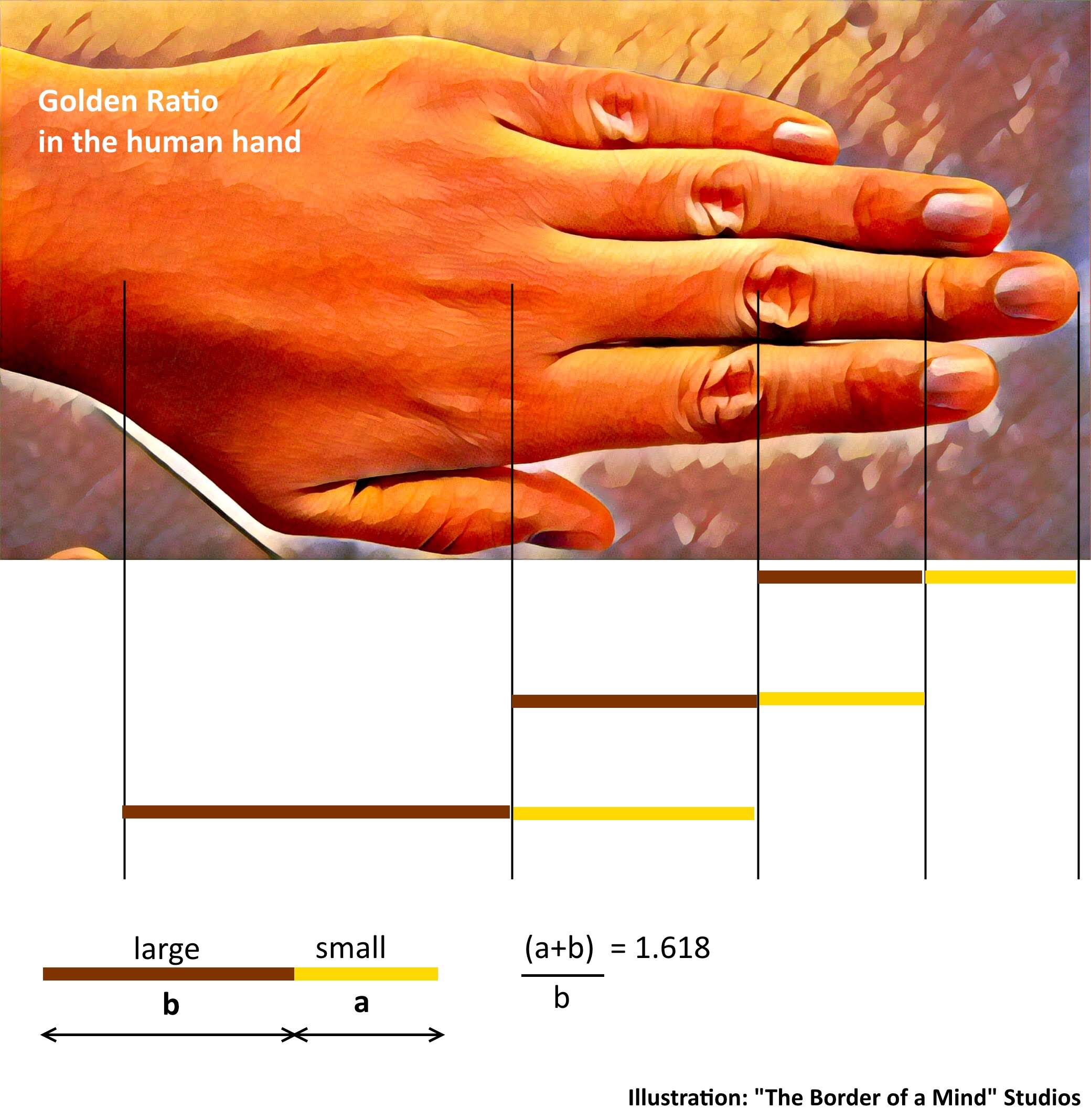
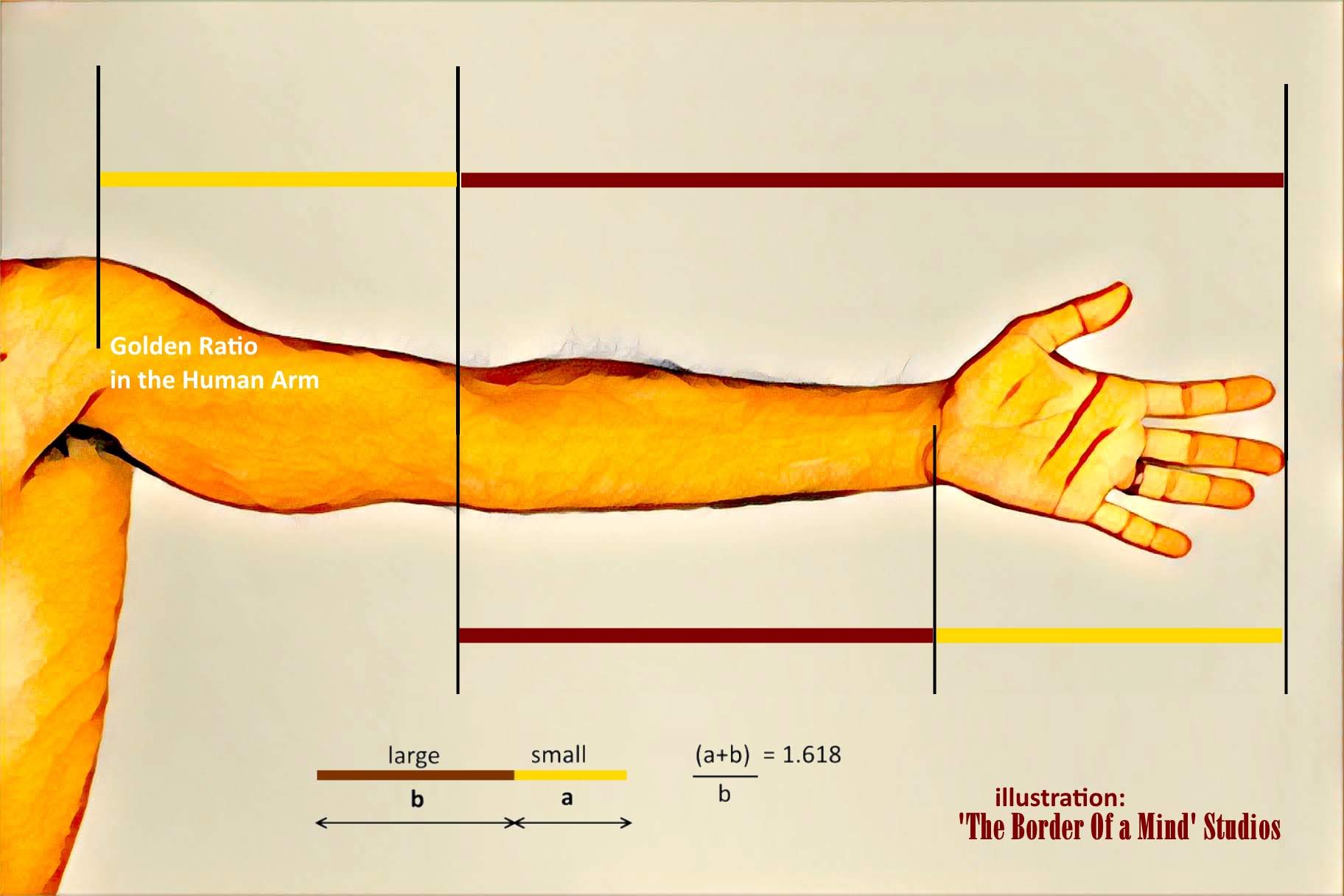
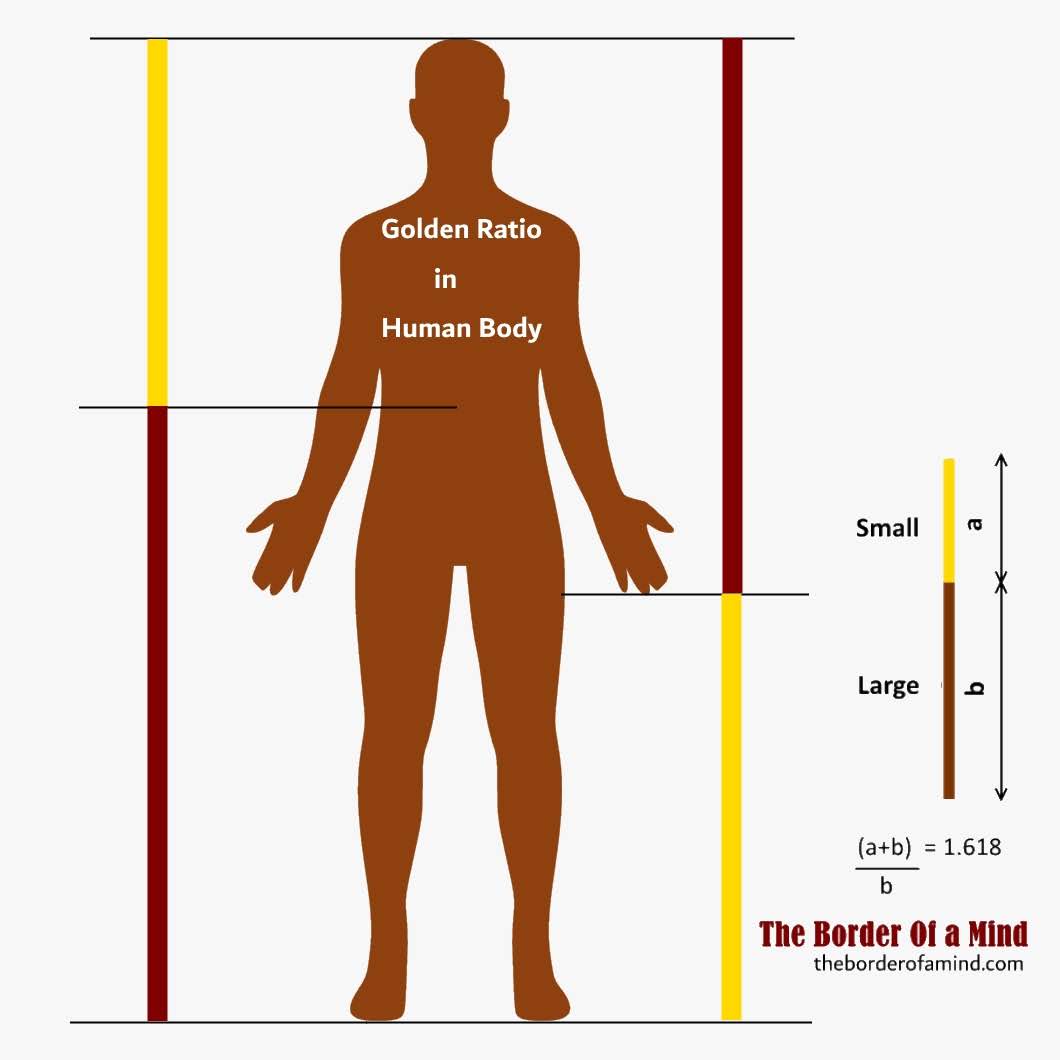
We might have seen this series in our maths classes and wondered what is special about them. They have an amazing property. If we divide any number in this sequence by the number before it, we would get numbers very close to each other. After the 13th number in this series, the ratio is constant and we get 1.618. This is called “Golden Ratio

233 / 144 = 1.618
377 / 233 = 1.618
610 / 377 = 1.618
987 / 610 = 1.618
1597 / 987 = 1.618
2584 / 1597 = 1.618

Now, this golden ratio number of 1.618 is pervading everywhere. If you didn’t know this before, get prepared to be blown away.

Human Body
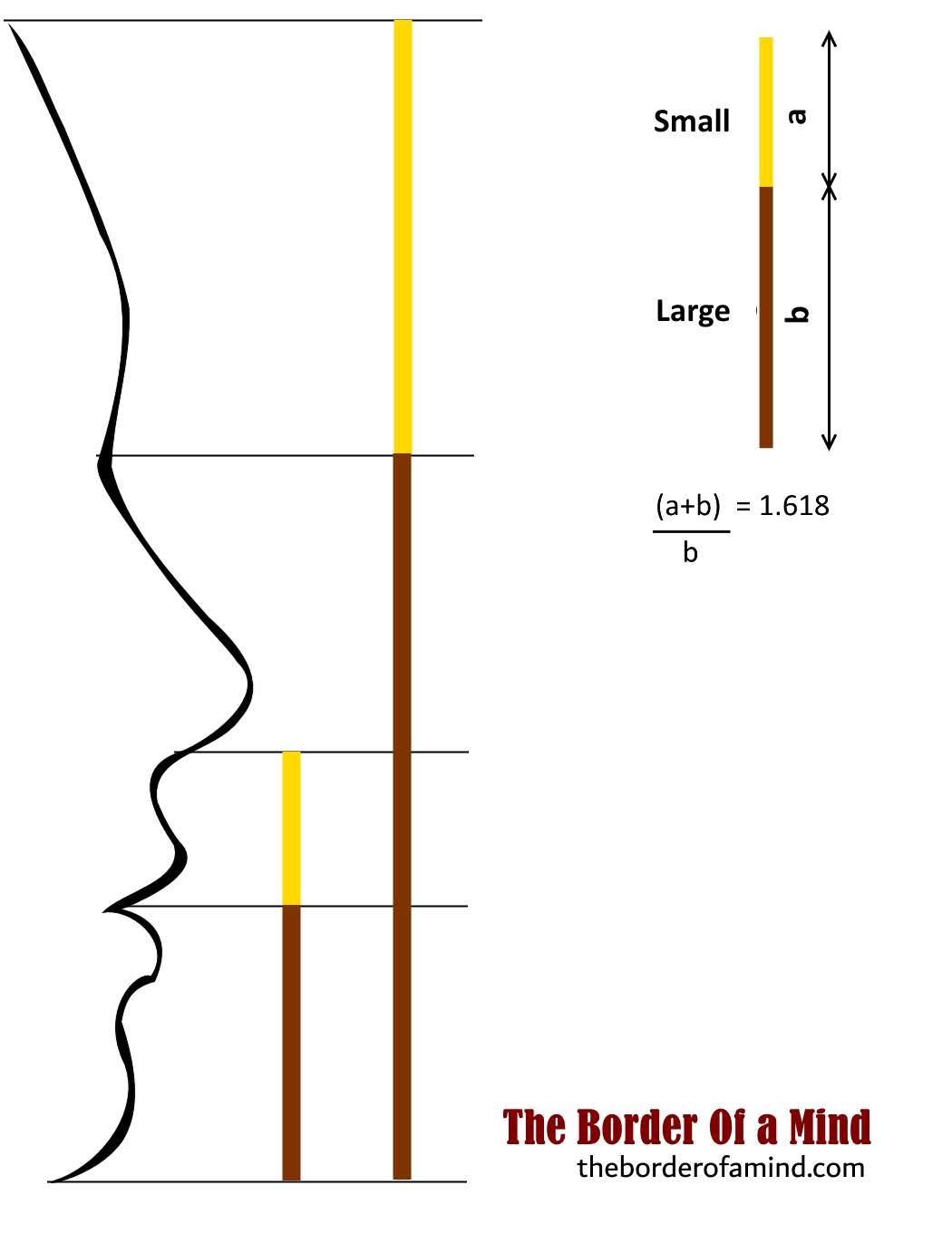
Did we ever think that our body measurements were just random? Boy! we are wrong! The proportions and geometrical ratios are carefully crafted in this specific ratio. For a better visual perspective, I’m sharing a few illustrations below so that you can take a look! These values are universally true for every human body. Isn’t that a jaw-dropping realization if you didn’t know this before?


Now, that’s far from over. Let’s go a little deeper. The same ratio is true for the below:
Length of face/width of the face,
Distance between the lips and where the eyebrows meet / length of the nose,
Length of face/distance between the tip of the jaw and where the eyebrows meet,
Length of mouth/width of the nose,
Width of nose/distance between nostrils,
Distance between pupils/distance between eyebrows.
Even the placement of teeth, as well as the ratio of individual teeth sizes, are on this same ratio.

In a research study carried out in 1987, it was discovered that this magic ratio is also in the structure of the lungs as well. The bronchi network in the lung is asymmetric. The windpipe gets divided into the left and the right bronchi networks. The one on the right is short and the one on the left is long. The geometrical proportion of the shorter one to the longer one of this bronchi is 1.618. Isn’t that amazing? Recent studies have shown that the internal structures of the ears are also proportioned in the same ratio. The more we explore and delve in, the more breathtaking it turns out to be.

This number has garnered significant interest in great minds like Pythagaurus, Leonardo Da Vinci and the famous astronomer Kepler. Leonardo Da Vinci has used it in the painting Monalisa.

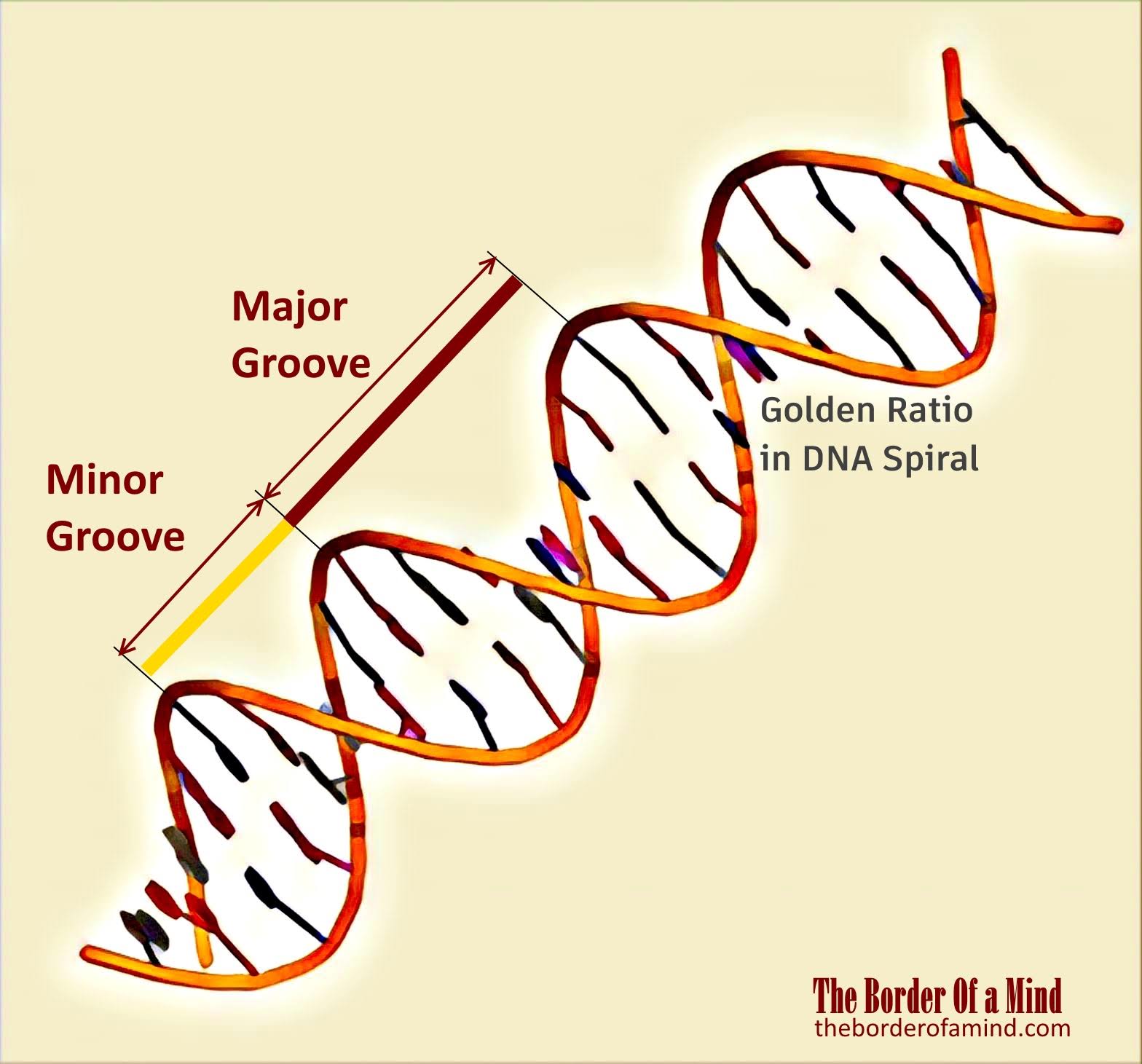
Golden Ratio in DNA Helix
DNA has two grooves in its spiral. Major to minor groove proportion measures as the golden ratio 1.618.

Golden Spiral
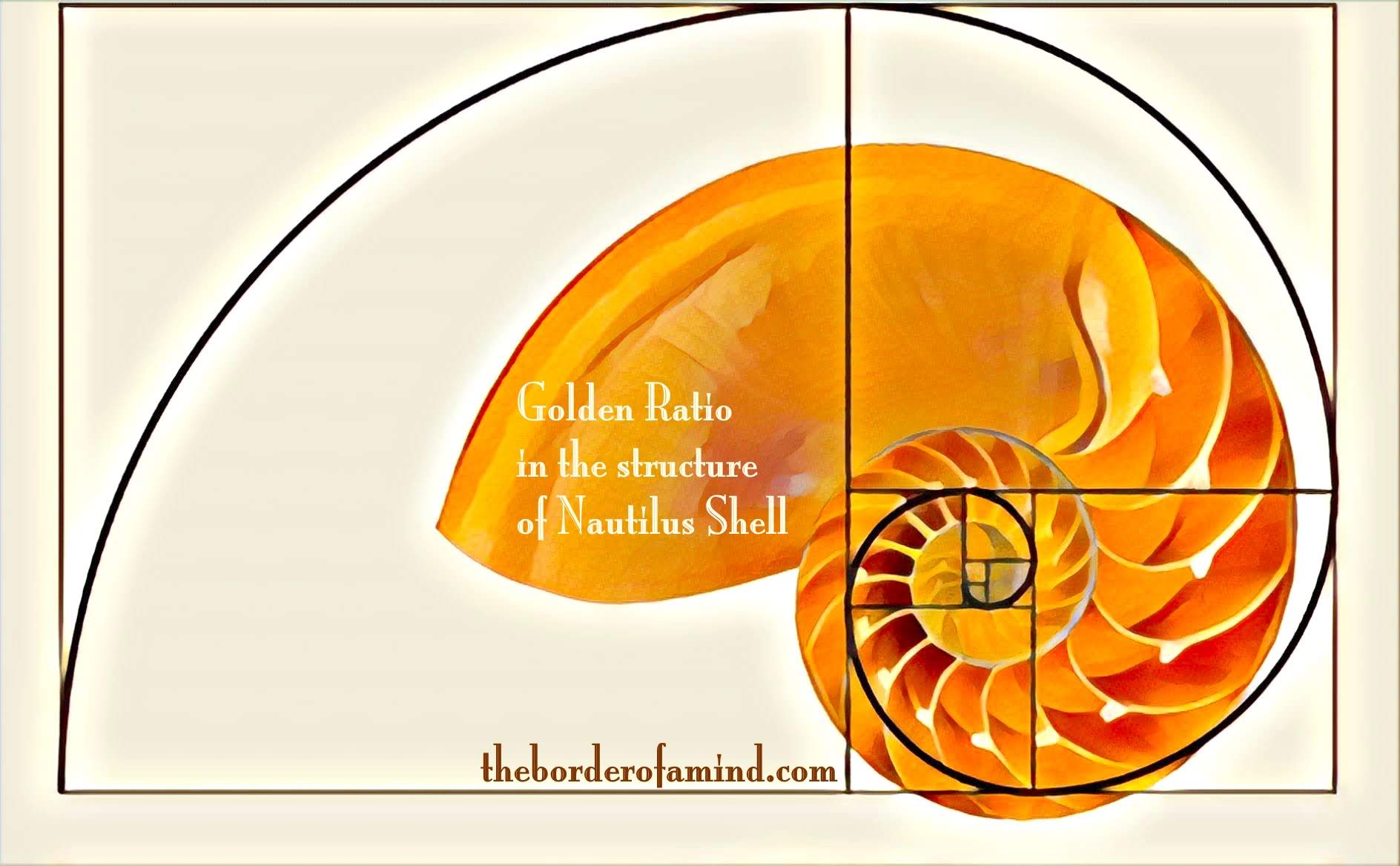
In geometry, a golden spiral is a logarithmic spiral whose growth factor is φ, the golden ratio. That is, a golden spiral gets wider (or further from its origin) by a factor of φ  for every quarter turn it makes. See the below link for a reference.
GoldenSpiralLogarithmic_color_in.gif
Image By JahobrCC0, Link

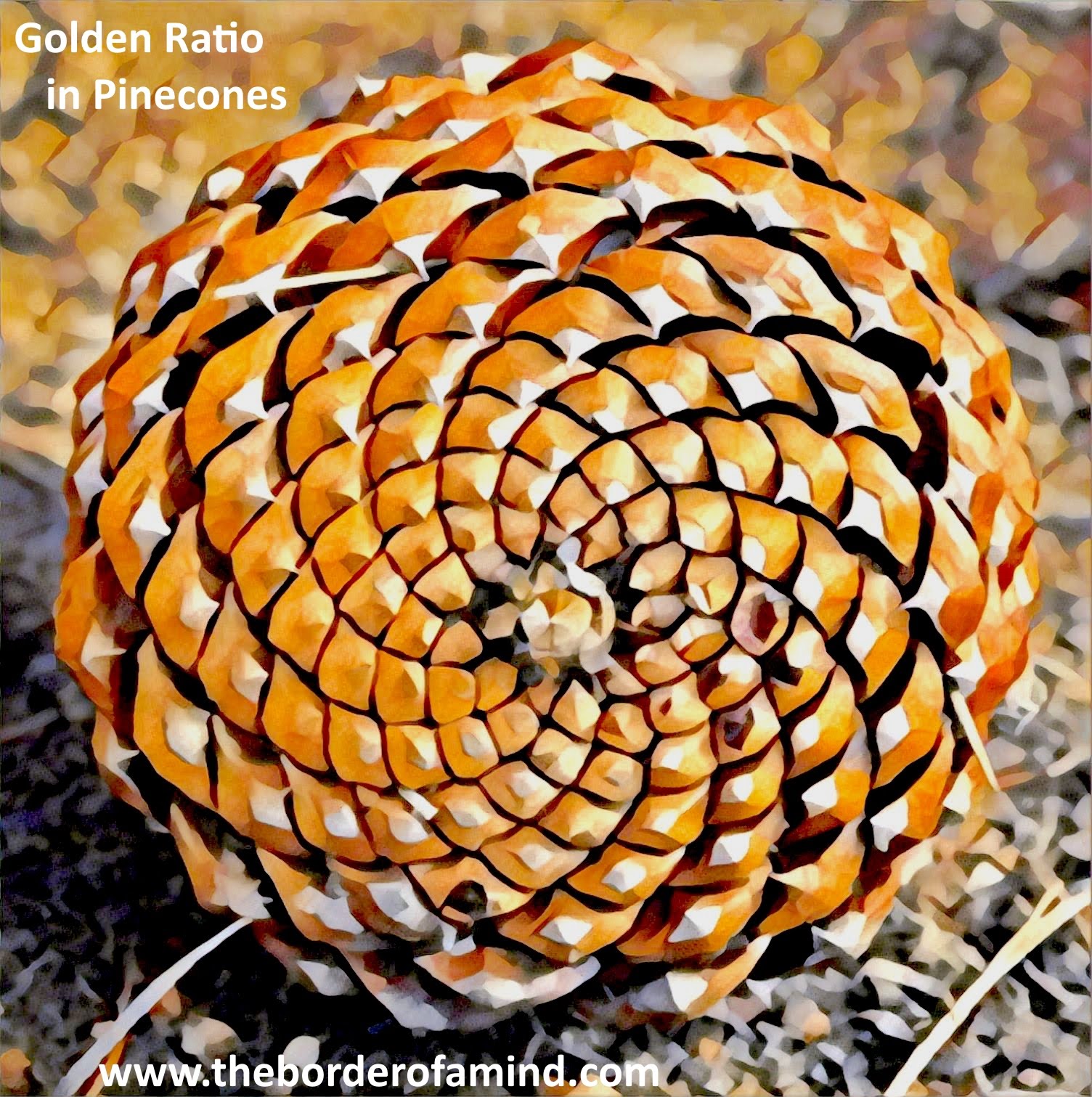
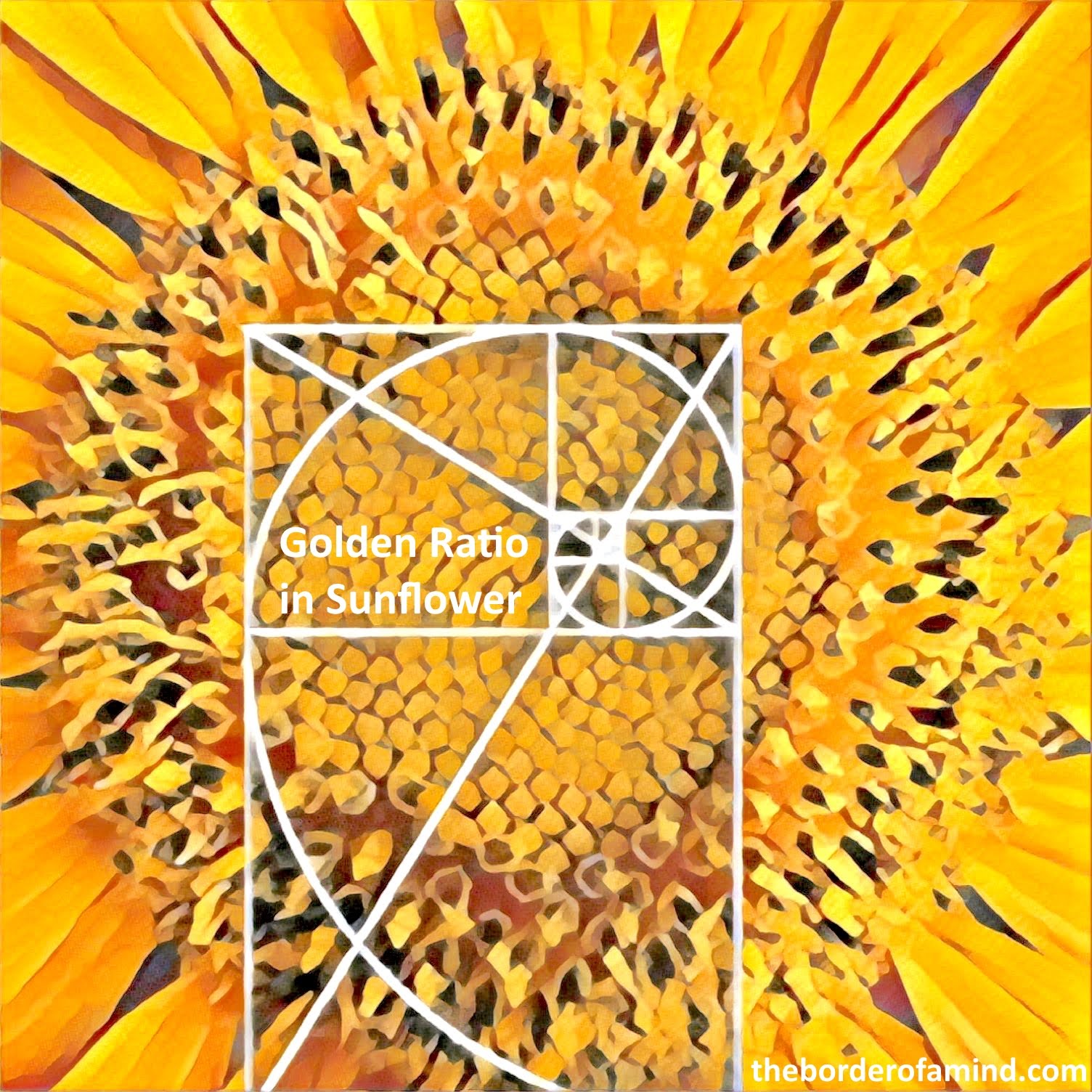
The golden spiral can be found in pinecones, sunflowers, pineapples, and a lot of other plants. Another amazing detail is that the petals of plants commonly grow in Fibonacci numbers.


In sunflower, we can notice two families of spiral patterns: one winding clockwise and the other counterclockwise. The quantity of spirals in each family are always two consecutive Fibonacci numbers. This effect is the result of closely packing points separated by 137.5 degrees in tight spirals. This implies that the a golden-ratio based phyllotaxis allows not only for optimal sun exposure but also for maximal packing in horizontal space. (Reference)


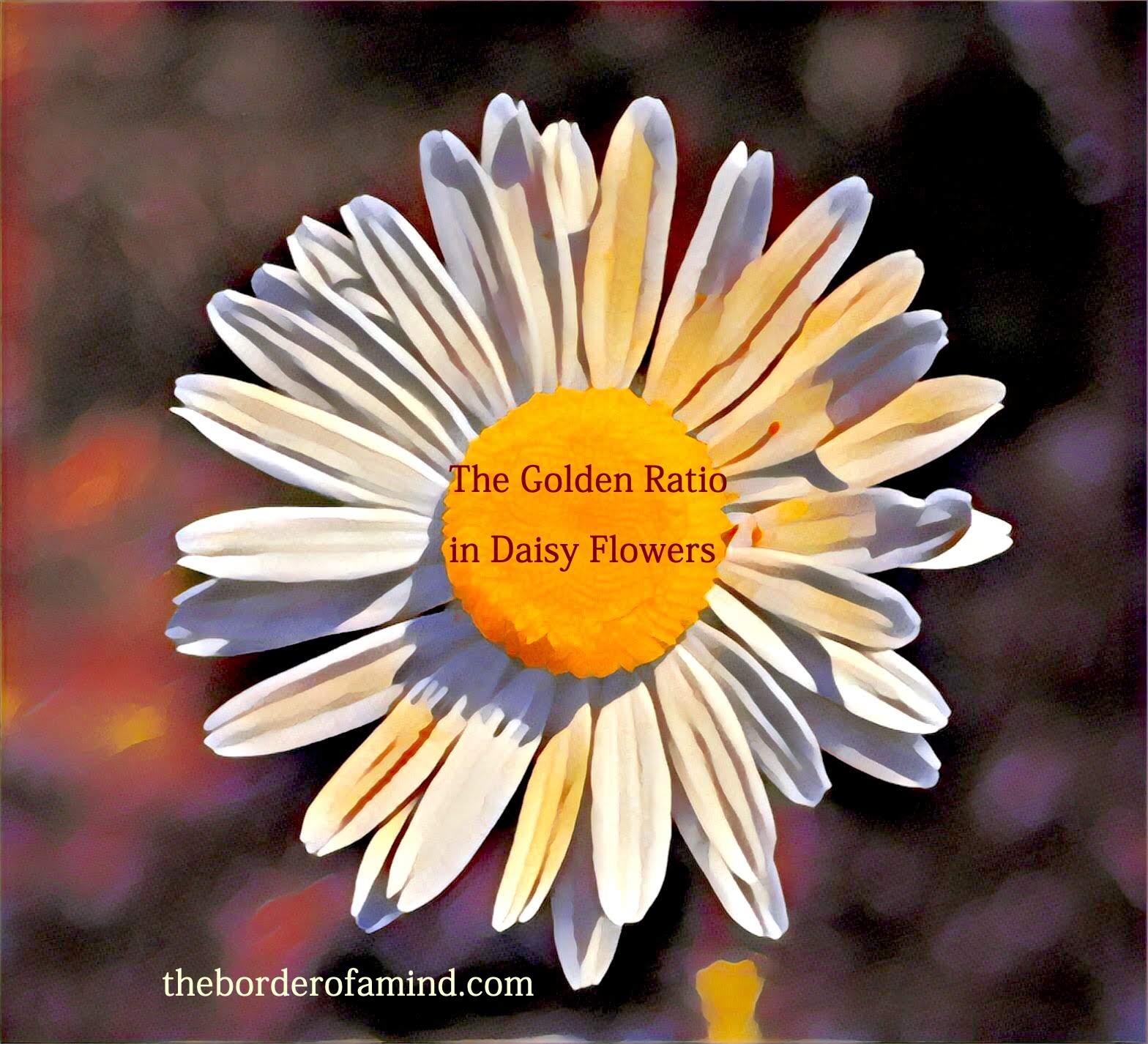
For field daisies, the count of petals is usually either thirteen, twenty-one, or thirty-four petals, all consecutive Fibonacci numbers. Bet you didn’t know about this before! 🙂

And it’s not over yet. We have more!

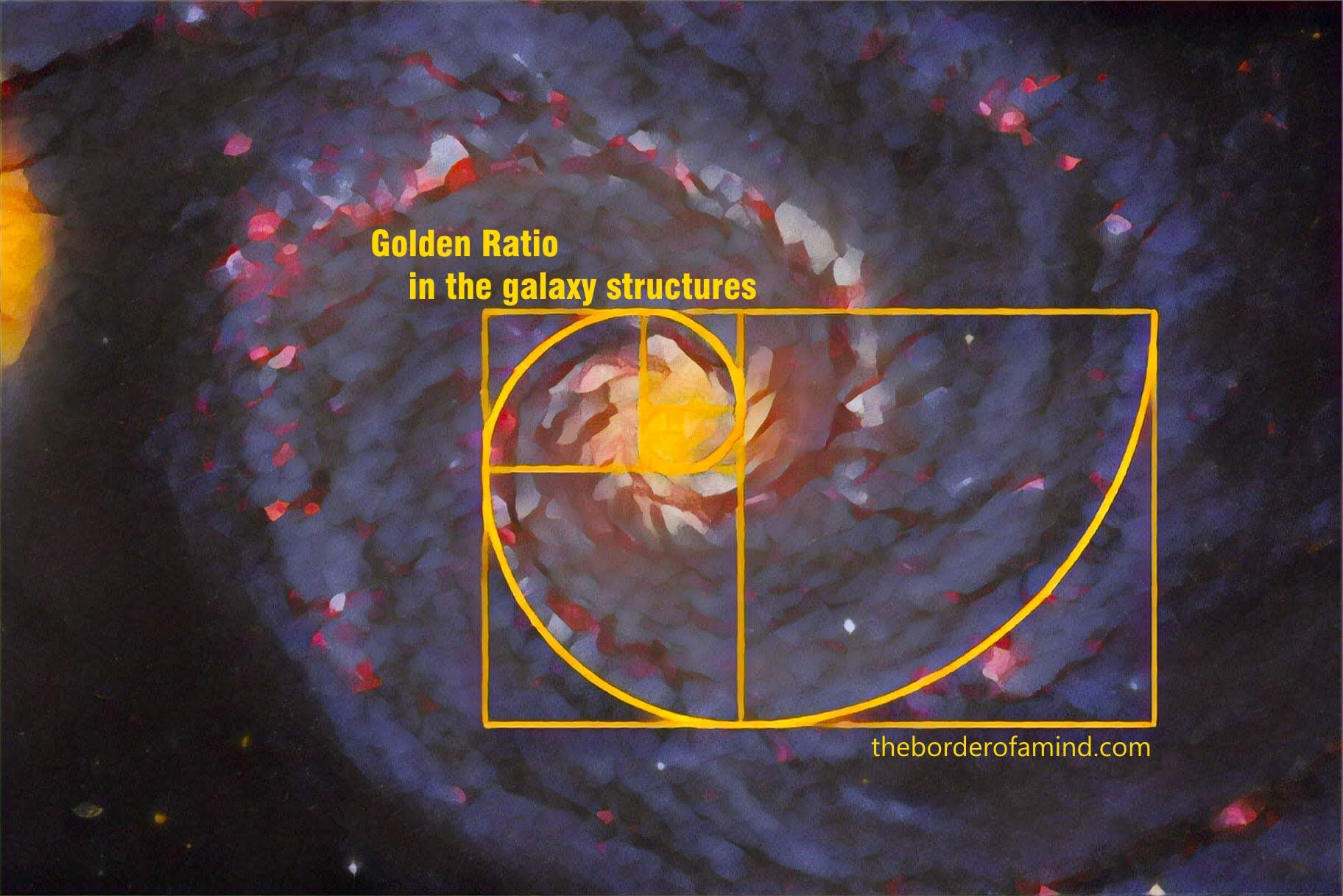
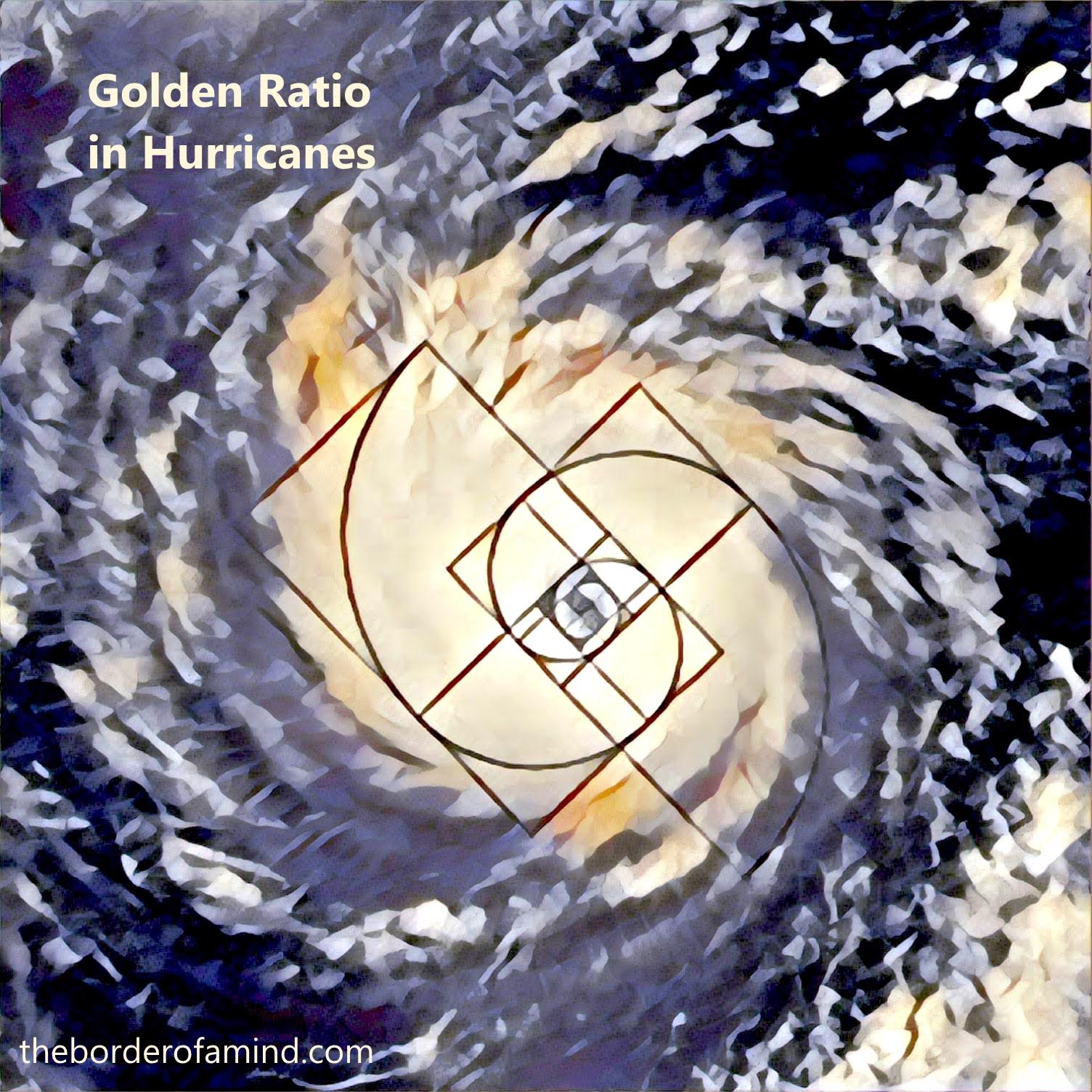
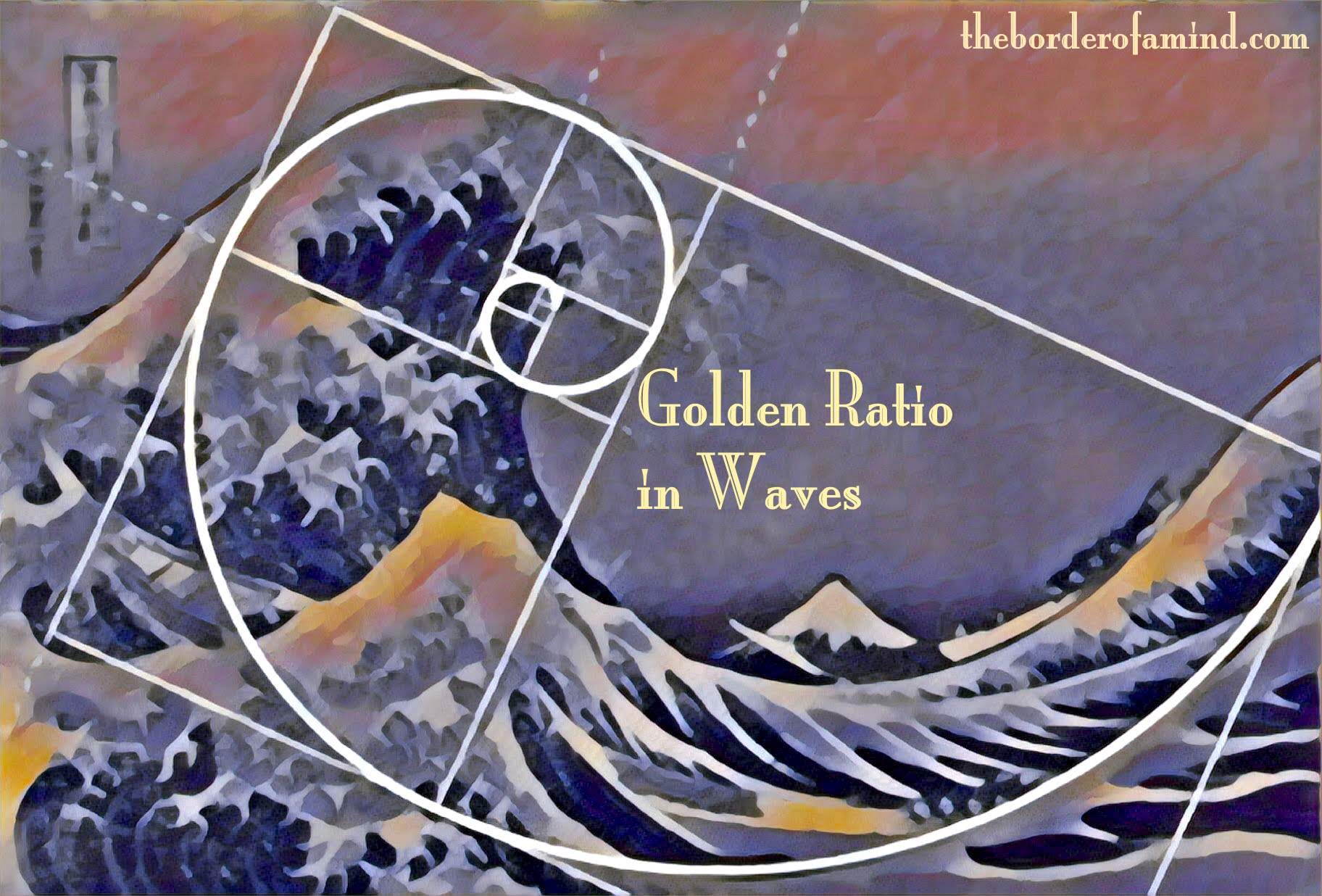
The golden ratio is even found in the shape of galaxies, hurricanes, and waves.


What I have shown here is only a small portion or subset of how this golden ratio pervades in almost every other stuff we are surrounded with. Leonardi Davinci has used this ratio in some of his greatest paintings. Architects use this ratio in designing structural solutions with better aesthetics. In architecture, they bring balance and height to structures and allow the usage of specific geometries and varying shapes and eventually help build aesthetic structures.  They are also extensively used in arts and music as well. The ratio is made use of in the design of several musical instruments and in timing musical compositions (Climax reaching at 61.8% of the song sequence to make it more appealing, for instance). Beethoven’s fifth symphony uses this ratio. The ratio is also used in other fields like facial plastic surgery and cosmetic dentistry. This is really thought-provoking. If we ponder deeply on these realities, we come to the realization that everything around us is formed and ordered in a measure which we even don’t notice. We require the eye of wisdom and insight to contemplate these realities. Don’t let these astonishing marvels around you hide from your thoughts and cogitations when we get engulfed ourselves in the blurred rush of routine life.  Uncovering this hidden mathematical miracle around us has a profound impact. Think about it, friends! Let’s widen our horizons and augment our perspectives. Personally, I believe this ratio is sort of like a divine signature. God bless friends!

change | influence | build


In my recent article “Instilling Compassionate Prudence“, I had touched upon the theme of giving the extra effort and aspiring to emboss our signature and professional acumen in any kind of work we are engaged in, be it in any realm. This post is kind of an extension of that theme and in a way, augments those frameworks discussed. Quoting from a very old interview with Steve Jobs (1955 – 2011),

When you grow up you tend to get told the world is the way it is and your life is just to live your life inside the world. Try not to bash into the walls too much. Try to have a nice family, have fun, save a little money. That’s a very limited life.

Life can be much broader once you discover one simple fact: Everything around you that you call life was made up by people that were no smarter than you and you can change it, you can influence it, you can build your own things that other people can use.

Once you learn that, you’ll never be the same again

These changing, influencing and building aspects are truly profound. Be it a job or a project or any sort of endeavor, we are basically streamlined to do any of these on a broader viewpoint in the grand scheme of things.

Steve further notes:

” And the minute that you understand that you know if you push in, something will pop out the other side that you can change, you can mold it. That’s maybe the most important thing is to shake off this erroneous notion that life is there and you’re just going to live in it versus embrace it, change it, improve it, make your mark upon it. Once you learn that, you’ll never be the same again.”

Happiness in the ordinary.

We are living in a time where all the talk is about happiness. Governments put up initiatives to enhance the happiness of citizens, employers trying to introduce policies to enhance the happiness of its employees. Everyone as a person is also trying to explore avenues and alleys to discover happiness and fulfillment. Netta lately shared with me a wonderful post from the Instagram profile of Freddy Birdy and we read it together lying down on the couch. It was so enchanting and beautifully written so that I decided to have it shared here as I didn’t find it anywhere else online and also serving it my usual art sauce of illustrations crafted by The Border of a Mind Studios. Hope this is worth your time and thanks to the original author for this wonderful piece.

The pursuit of happiness.
All our lives we spend wondering WHAT it is that will make us happy.
Wondering if we ARE actually happy.
Wondering if we WILL ever be happy.
Wondering if we will find everything we ever dreamed of.
But happiness.
We know in our minds what we THINK will make us happy.
The perfect job.
More money in the bank.
The ultimate partner.
Children who get straight ‘A’s.
A dream home overlooking the city.
A beach house parked next to the sea.
Love.
Platinum credit cards.
Always turning left once you enter an aircraft.
Never looking at the right-hand side of a menu.

Fame.
Followers.
Likes.
Attention.
Success.

A Lamborghini (Countach).
Unlimited Exotic travel.
Great Metabolism.
A fat paycheque.
A slimmer you.
Space on a magazine cover.
Permanent residence in someone’s heart.
Something.

We travel to new cities.
We attend all the parties.
We climb up another rung of the ladder.
We do things we KNOW will make us happy.

And we wonder why despite living our dreams,
happiness still isn’t our reality.
When will we realize that happiness
is in the ordinary, the mundane and the lacklustre?

Happiness is how you make somebody FEEL.

It is in ordinary everyday things.
not in life goals.

Happiness is the opposite of a plan.
Happiness is NOW, this minute, this microsecond.

Happiness is never taking anything or anyone for granted.
It is the scent of freshly brewed coffee on the WAY to work.

It is not a new car, a new iPhone,
a new watch or a new PERSON.

Happiness is the absence of grief.
Happiness is writing a thank you note to a friend.
Happiness is listening.
It is taking your dog for a walk.
And making dinner for your child.
And singing in the shower.

Happiness is one more pat of butter sliding down a hot, naked toast.
Happiness is a porch light on and waiting.
Happiness is the promise of a doorbell.

It is in the secret of eyes meeting for the very first time.
It is in fingers touching accidentally in paper popcorn holders at the movies.

Happiness is not in counting currency notes.
But your blessings.

Happiness is not what others think of you.
Happiness is what YOU think of yourself.
Happiness is the smell of a new book.
Or the smell your lover’s clothing hanging on a bathroom hook

Happiness is not your child’s report card.
Happiness is your child’s happiness.

Happiness is not a 21-course menu degustation.
Happiness is a 5 Star bar discovered in a lunch box.
And greasy omelette pays with friends at 2 am

Happiness is laughing at the same joke
again and again and still again in your head.


Happiness is staring at a familiar WhatsApp message and smiling to yourself.


Happiness is a large plate of Maggi.

Served with FOUR forks.

Happiness is your first mango of the season.
Or the last installment of a loan.

Happiness is not a ten thousand rupee perfume on a duty-free counter.
Happiness is the scent of your lover’s NECK.
Or familiar arms holding you close in newer ways.

Happiness is watching a loved one snore softly in deep sleep.
Happiness is also forgetting. Forgiving. And letting go.

Happiness is training your mind to unthink
Lastly, happiness is not about counting
stars, staring together at a new moon, riding unicorns,

chasing rainbows or dancing barefoot in the twilight.

Your happiness always lies within you.

The Parable of Mexican Fisherman

The parable of Mexican fisherman is a very famous read on the internet and the way it bespeaks perspective and purpose is indeed ardently profound. I came across this couple of years back on an online magazine and it’s a piece of text that time and time again helps to anchor aspirations and contextualize ambitions. I hope it’s worth your time. I’m adding some illustrations from my archives so as to attempt to give you an eye-ball read. My footnotes and thoughts on this interesting parable is towards the bottom of this post.

_____________________________________________________

An American businessman was standing at the pier of a small coastal Mexican village when a small boat with just one fisherman docked. Inside the small boat were several large yellowfin tuna. The American complimented the Mexican on the quality of his fish.

How long did it take you to catch them?” The American asked.

Only a little while.” The Mexican replied.

Why don’t you stay out longer and catch more fish?” The American then asked.

I have enough to support my family’s immediate needs.” The Mexican said.

But,” The American then asked, “What do you do with the rest of your time?”

The Mexican fisherman said, “I sleep late, fish a little, play with my children, take a siesta with my wife, Maria, stroll into the village each evening where I sip wine and play guitar with my amigos. I have a full and busy life, senor.”

The American scoffed, “I am a Harvard MBA and could help you. You should spend more time fishing and with the proceeds, you buy a bigger boat, and with the proceeds from the bigger boat you could buy several boats, eventually, you would have a fleet of fishing boats!”

Instead of selling your catch to a middleman you would sell directly to the consumers, eventually opening your own can factory. You would control the product, processing, and distribution. You would need to leave this small coastal fishing village and move to Mexico City, then LA and eventually NYC where you will run your expanding enterprise.”

The Mexican fisherman asked, “But senor, how long will this all take?”

To which the American replied, “About 15-20 years.”

But what then, senor?”

The American laughed and said, “That’s the best part. When the time is right you would announce an IPO (Initial Public Offering) and sell your company stock to the public and become very rich, you would make millions!”

Millions, senor? Then what?”

The American said slowly, “Then you would retire. Move to a small coastal fishing village where you would sleep late, fish a little, play with your kids, take a siesta with your wife, stroll to the village in the evenings where you could sip wine and play your guitar with your amigos…

_____________________________________________________

If we ponder on the takeaways of this parable, it’s really nailed on the head. It propounds the theme of being in the moment and exploring instances and avenues of contentment and fulfillment rather than being dismayed and debilitated by an uncertain future. It also offers recollections on taming expectations and scaling it reasonably on a baseline and very importantly, stresses the laser focus on purpose and what really matters. It also moots the idea of discovering and appreciating the small things in life and being focussed and grounded in a sense of calm and not being carried away and washed out by the hustle and bustle “bandwagon”. God bless!

Small Business – Lines of thought


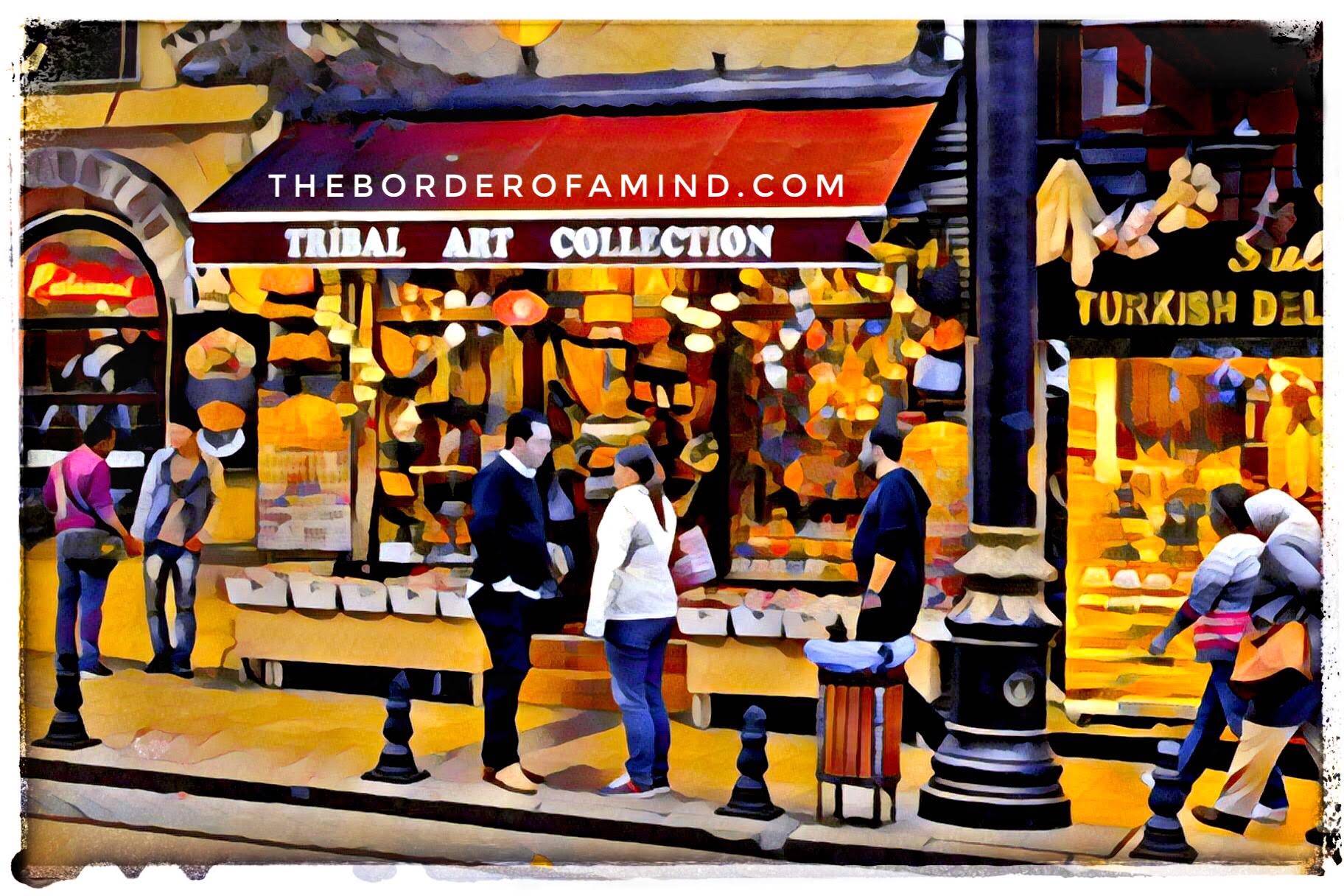
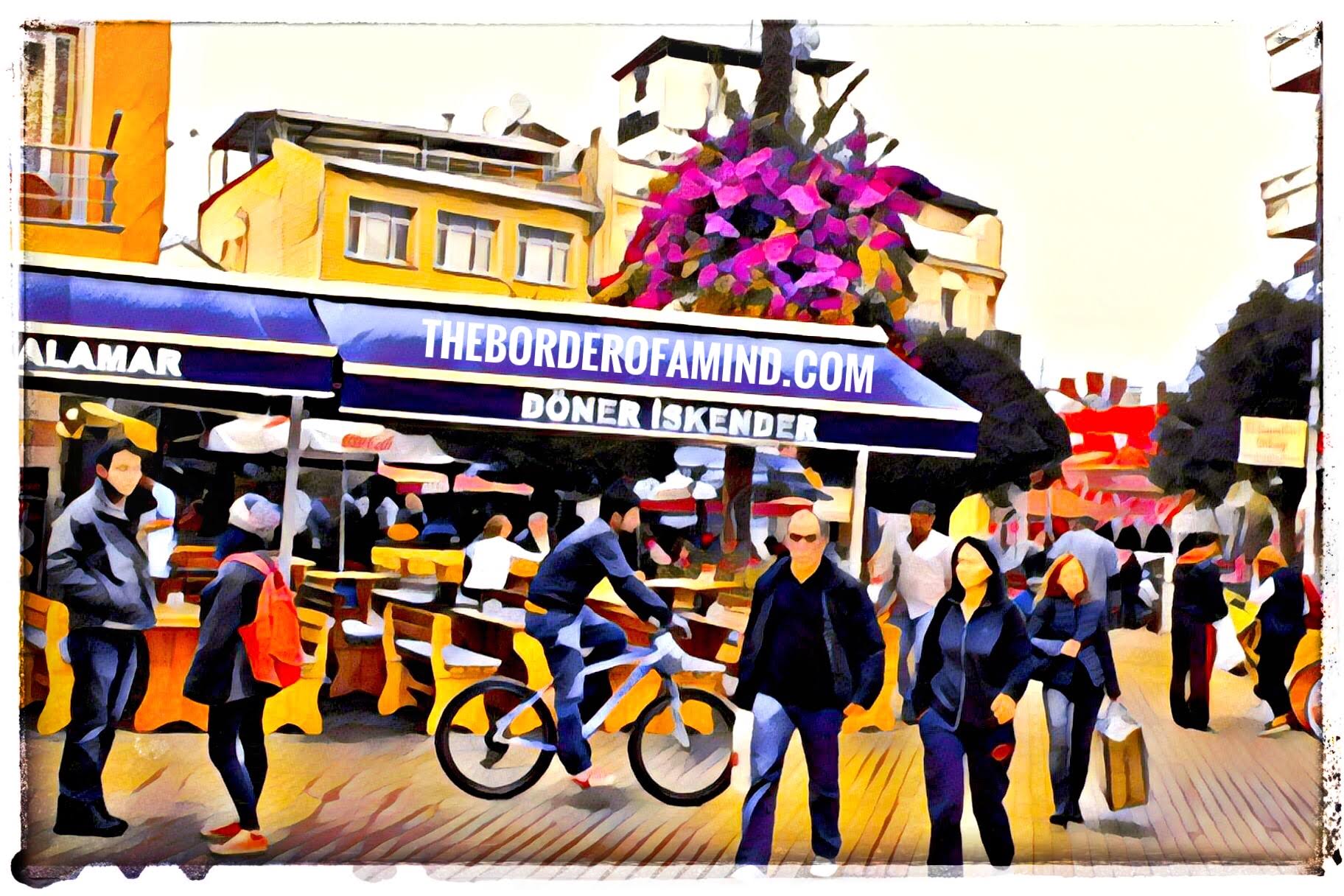
                                                A busy shopping street in Istanbul, Turkey

When you buy from a small business, you are not helping a CEO buy a third vacation home. You are helping a little girl get dance lessons, a little boy get his team jersey, a mom put food on the table, a dad pay a mortgage, or a student pay for college.

This is a pretty viral note on the internet about small businesses. I remember my dad forwarding this message and is definitely worth pondering.

In a beautiful article originally written for Holdfast Gear by Matthew Swaggart, he writes:

..One of the many emotions that one can feel daily is pride. No, not the ugly kind of pride that thrives on elevating the self above others, but the kind that warms your heart. The kind that you feel when you see your little boy get his first base hit. Or when you walk your little girl down the aisle. The kind that makes you feel an immense sense of gratitude for gifts, experiences, relationships that you realize you really aren’t worthy of.

Recently I’ve encountered some experiences related to my work that, as I have processed them, have caused me to feel a great sense of pride and gratitude for being among a group of individuals who are really a new breed – a group of individuals who have emerged in recent years as change agents in a new, recovering economy. I’m talking about those in small business

If we really think about it, we can discover a lot of awe-inspiring stories around us. It’s true that many large brands have had small humble beginnings and might have gone through their struggling stages, but small businesses, in the initial states where they are filled with passion, zeal and hard work definitely resonates the above themes.

                                                Another busy shopping street in Istanbul, Turkey
Mathew Swaggart further writes:

The landscape of today’s economy for a startup can be unfamiliar and treacherous terrain. With all of the heart and soul that is wrapped up in starting a business from the raw material of your life, researching, developing, marketing, and delivering a product becomes a highly personal endeavor

Recollecting a recent experience, few years back, I had used services from Tiny Suprise, a gifting company based in Chennai, India for sending some gifts to Netta for her birthday. Not only did the quality of the product impress me, but the entire experience from the perfect timing of the deliveries to the quality of the packaging was top notch. I have been reading about their story recently. I did have other options which are pretty big names in the Indian online gift landscape but trying a relatively new company gave a fresh experience overall. Tiny Surprise may soon cease to be a small company and may turn out to be pretty huge. The same approach even applies to smaller grocery shops near our homes serving only nearby communities and can’t afford huge online portals with their mammoth logistic empires. Definitely, these are all relative and perspectives can vary for different people, but it’s nevertheless very inspiring to see small businesses transforming struggles into catalysts for growth. The quote at the beginning of this article echoes in my mind. God bless.

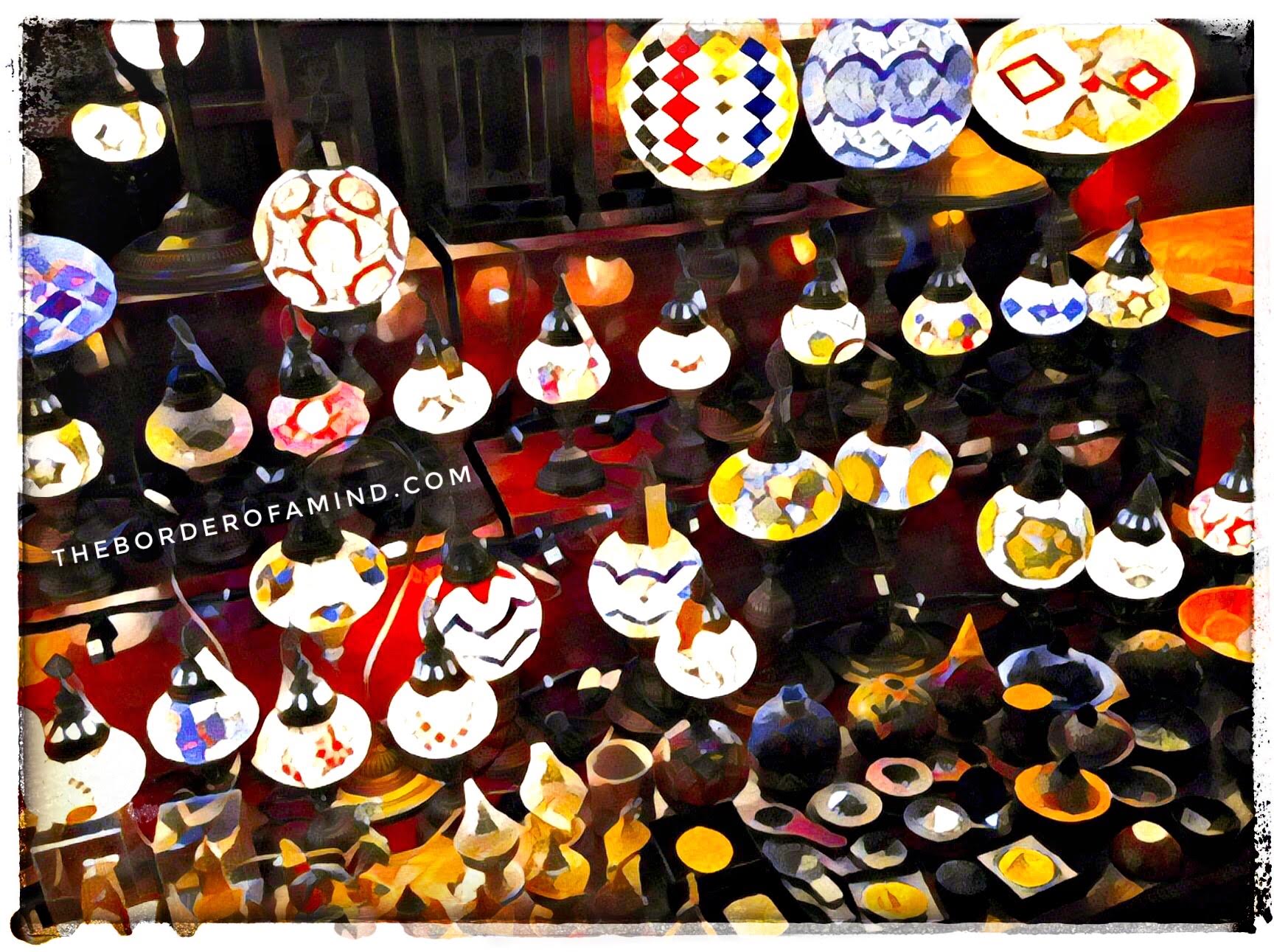
                                                A lamp shop in Dubai, United Arab Emirates.

oeuvre papyrus!

The title is inspired from the late 19th-century French word oeuvre which broadly refers to the body of work of a painter, composer, or author is normally a work of art, music or literature. Let’s adapt it to books and the way of presenting them beautifully.

So this is one of the days where you get inspired by the art of photographing books.  This is one of those ‘photography genres’ if I may say so, that’s refreshing in any of its formats. Internet is no short of ideas to get that perfect book shot. E-book bandwagon cannot replace the feel of a paperback on paper.  And books are one of the most patient subjects that you can find to craft your art. I recently tried a shot with some warm afternoon light and with some backgrounds around me. The usual stuff includes coffee mugs,  lights, etc.  I went off with some money plants and a vintage film camera and with some Airpods sprinkled into the scene. So here is a shot of this kind that I tried for the first time with a beautiful book by Elif Shafak.  And a bonus, that’s a nice book too!

“Truth forever on the scaffold”

Truth forever on the scaffold, wrong forever on the throne, Yet that scaffold sways the future, and, behind the dim unknown, Standeth God within the shadow, keeping watch above his own.”. These are the lines from an 1844 poem by James Russell Lowell. This briefly touches through ours innate nature full of contradictions that we talked about recently. The basic theme is that no matter how dark it gets, the end is for piety and truth and for the people of consciousness. That’s today’s night to ruminate over. God bless : )


Original photograph by MHP. Edited by yours truly.

Containing Multitudes

This post is inspired by a quote I heard in some interview on Youtube. I’m not able to clearly recollect the video or else I could link it here. It’s a very interesting thing to ruminate over. It’s about multitudes in ourselves.

Do I contradict myself?
Very well then I contradict myself;
(I am large, I contain multitudes.)

“Song of Myself – Leaves of Grass” (1892-92) | The Walt Whitman

If we think about it, that’s a truly profound talk. We are different versions of ourselves in different arenas of our lives. There’s a version of yourself that talks to a better half and there’s a version of yourself interacting with a colleague and it’s the same you who can chat with a 5-year-old and it’s again the same you who can play with a pet dog.  In fact all of the people whom we meet in our lives, be it anywhere has a different version of “you”. A person may be outgoing and talkative at home whereas he may be reserved and and introvert at school or work.  Likewise, we have different point of views which may not necessarily mesh or intertwine together.  Every human is a universe unto themselves. The same goes true with a book or a piece of art. It’s basically about being embracive about the innate nature of being self-contradictory instead of being embarrassed by it.

Quoting from a very interesting article on the same,

And yet, in the privacy of our interior lives, the reality of the self seems inescapable — sometimes maddeningly so. For each of us, the entire enormity of life unfolds within the tiny locus of consciousness we experience as our very own self. So where is the line between the inevitability of the self as a focal point of experience and its mutation into an imprisoning ego-shell which, in the words of the great Zen teacher D.T. Suzuki, “is the hardest thing to outgrow”?

By large, containing multitudes and having these contradictions within ourselves would be perhaps the most moving part of the human experience and existence. Have a beautiful day.