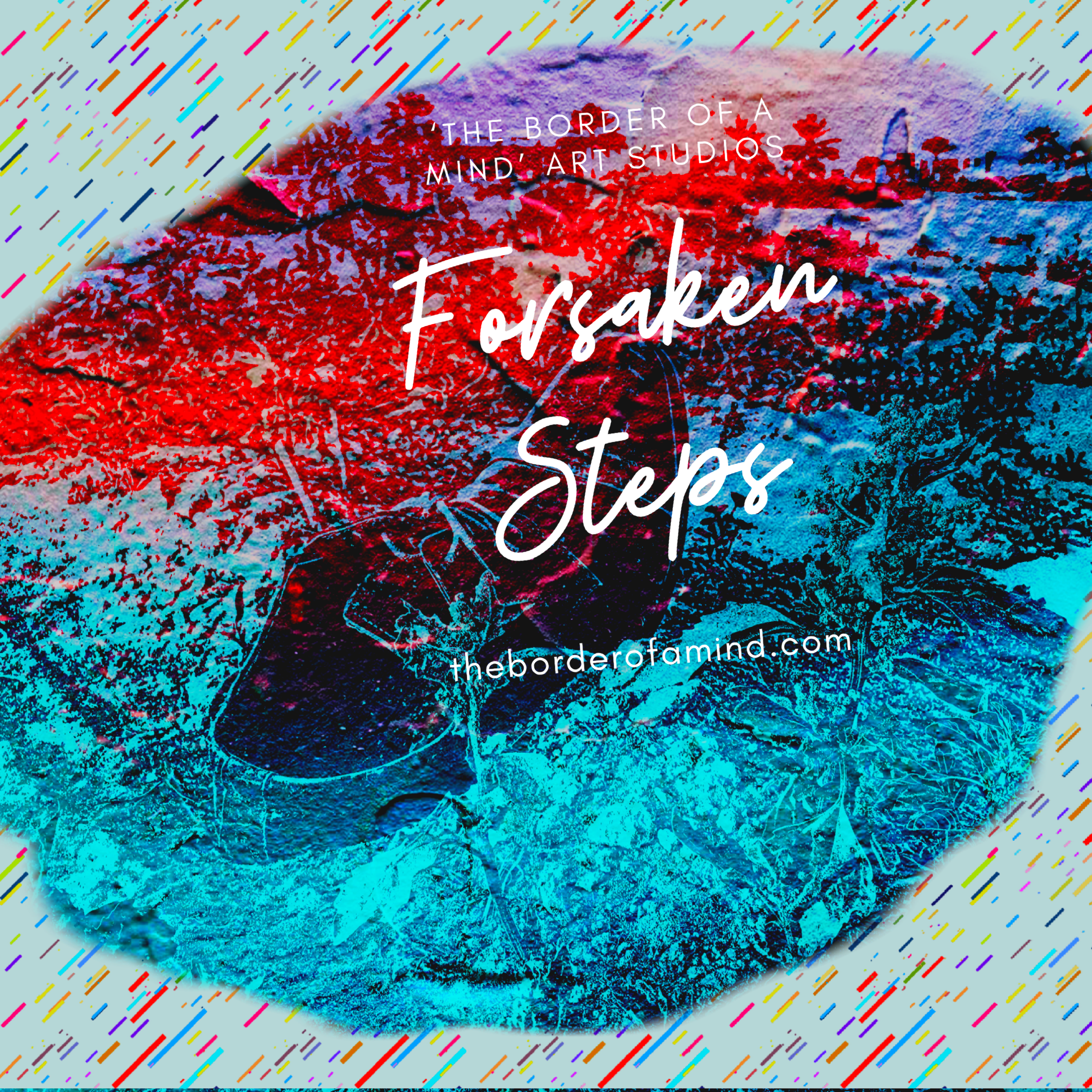
objet trouvé – “forsaken steps”

During a drone expedition with captain AR recently, I came across this abandoned shoe on the field. I felt an artistic texture and shade on it the moment I glanced at them and is the basis of this fine art piece. I’m titling this piece  “forsaken steps“.

Interestingly, contrary to what I thought, these abandoned items are valued and appreciated in artistic circles in a wide variety of themes. A common one is something called “objet trouvé”. It’s a French word that basically refers to a natural or discarded object found by chance and is given an aesthetic value by an artist. A recent artistic trend is to refer to these items as “Trashion”, which is a direct reference to trash that emanates art and fashion. Identity for the item is normally derived from the designation placed on them by its wear and tear, condition it is left in, and often the context it is placed into. So, “forsaken steps” would probably be the first art piece from The Border of a Mind Illustration Studios, that directly uses objet trouve concept, which as I noted above is to describe art created from undisguised, but often modified, objects or products that are not normally considered materials from which art is produced, primarily owing to the fact that they already have a non-art function to it.

Other artistic themes from the studio include:

Posters:
Alternate adaptation of “The Burning Man

Original Fine Art:
Paint with Light
Choosing the Circus
Mind Vessel
Dreaming Beyond
Mirror
Done in Love
Enigmatic
Tranquil
Parallel worlds
Book of beautiful moments
Swayed In

We’ve plans to release prints of our original fine artworks to build your beautiful personal space with authentic prints from us. Stay tuned as we roll in the merchandise section.

choosing the circus | fine art

“Don’t blame a clown for acting like a clown.
Ask yourself why you keep going to the circus.”

Going through a very interesting phase of reevaluation of expectations & realignment of actions. This piece of digital art is to artistically commemorate it : )

How to create a quick 3D view on a 2D plane with ‘gradient hatch’ in AutoCAD

One of the most underrated visual features in AutoCAD is gradient hatch.

On creating quick representations or illustrations for conveying a concept in sketch, instead of having an inceptive reliance on a full feature overblown 3D design software package, this nifty feature of gradient hatch could often come in handy for small scale and expeditious illustrations.

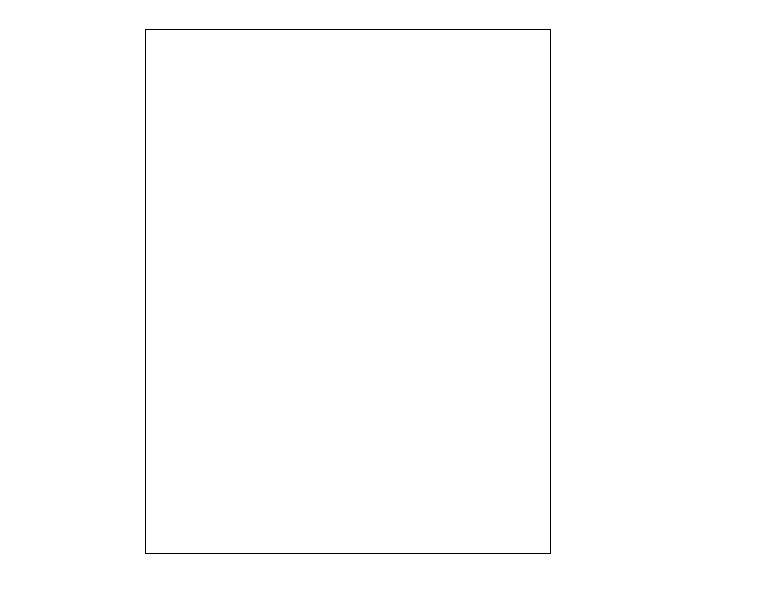
For example, to give a 3D feel to a cylindrical section, we can apply gradient hatch to a vertical rectangle. I shall demonstrate it with a simple example below.  The first step is to draw a simple rectangle.
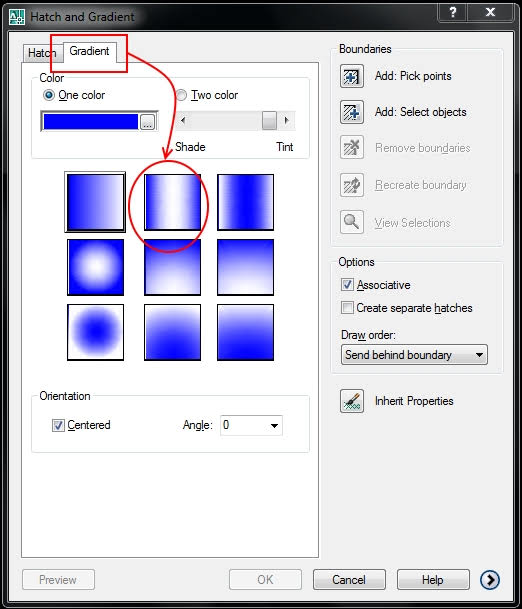
Next, we need to give it a gradient hatch in order to give that 3D pipe-like cylindrical appearance. Type in command ‘h‘  on the AutoCAD command line to open the hatch settings panel. Go to the Gradient tab. Here, we have a choice to go for either one color or two color option. Personally, I prefer a two-color palette in order to customize it well.
Select Two Color from the Gradient tab. For the best professional appearance, I recommend using only blacks and whites instead of any flashy colors. Here, you have to be careful to use the white color at the centre and as it widens to the centre, it gradually turns to black. For that, use the first color as pure white and the second color as pure black and select the option as shown below.
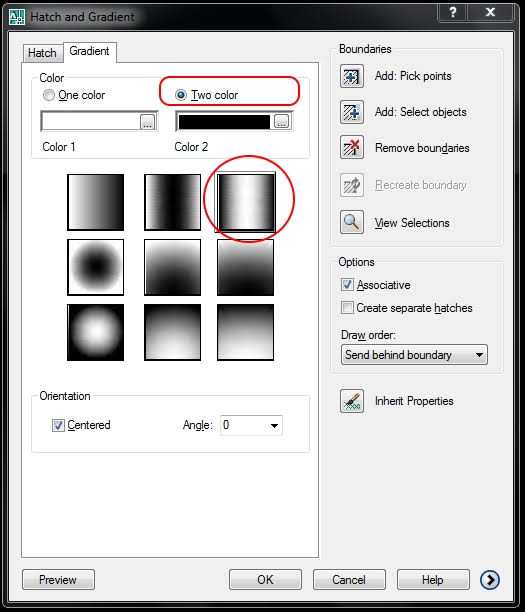
So in a minute, we have this below appearance.
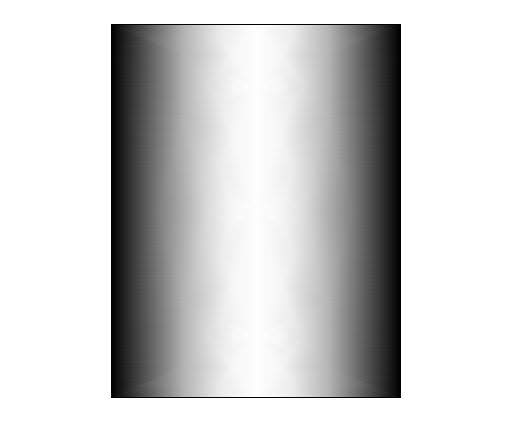
I’m aware that an advanced 3D program like Solidworks, for example, can give much better visual appearances. However, for a very quick and nifty solution on a program like AutoCAD which is much more universal in its reach across industries, I hope this turns out to be much more useful.

done in love.

“It is good to love many things, for therein lies the true strength, and whosoever loves much performs much, and can accomplish much, and what is done in love is well done.”
― Vincent Van Gogh

enigmatic | fine art

“The frame through which I viewed the world changed too, over time. Greater than scene, I came to see, is situation. Greater than situation is implication. Greater than all of these is a single, entire human being, who will never be confined in any frame.”
― Eudora Welty, On Writing